How French Colonial Rule Shaped and Changed Hoi An
By the time French forces gained control of central Vietnam in the late 19th century, Hoi An's international trading port had already been fading for well over a century. What French colonial rule did to Hoi An, then, was less about building something new in the town itself, and more about deciding, deliberately, to build somewhere else instead. That decision shaped Hoi An's 20th century, and it is also the first link in a longer chain of events that eventually helped the Old Town survive when much of the surrounding region did not.
From gunboats at Tourane to a protectorate over Quang Nam
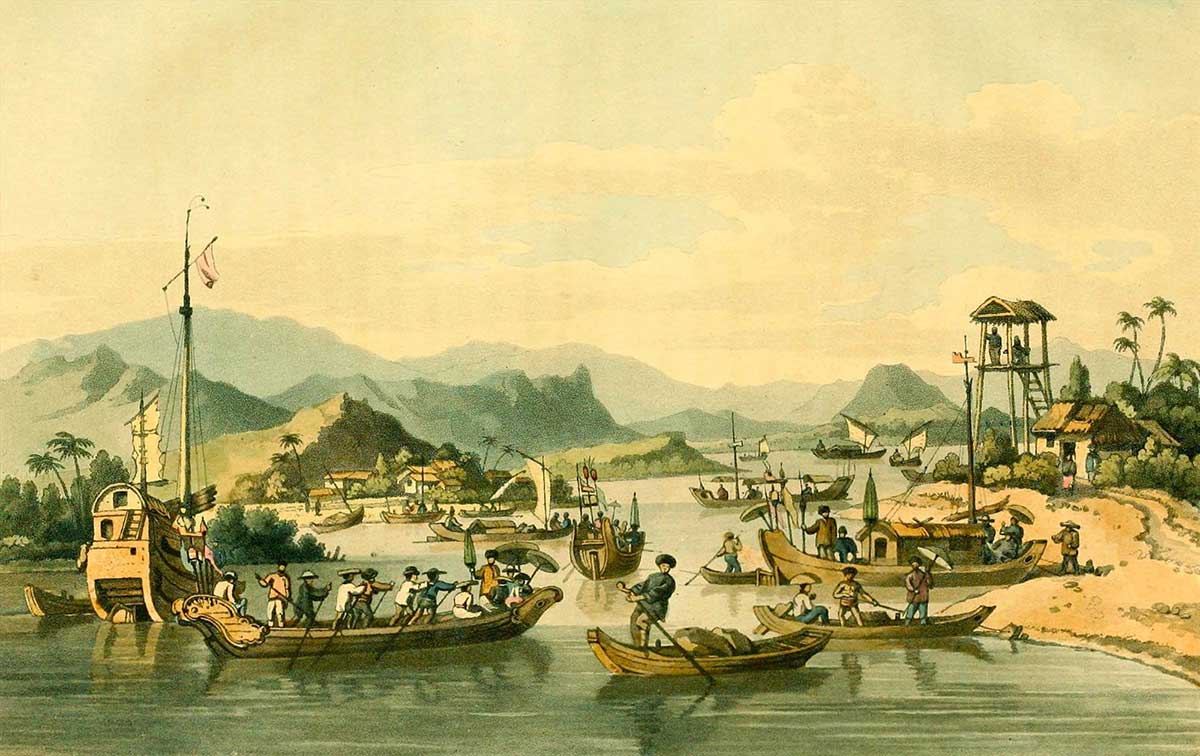
French military intervention in Vietnam began at the same stretch of coast where Portuguese ships had once anchored: French naval forces attacked Tourane, today's Da Nang, in 1858 as the opening move of a colonial conquest that took France roughly three decades to complete across the whole of Vietnam (Britannica, "The conquest of Vietnam by France"). Quang Nam, and Hoi An within it, came under French control as part of the protectorate of Annam, established by treaty in 1883-1884 and folded into French Indochina from 1887 (Wikipedia, "Annam (French protectorate)"). Under this system, the Nguyen dynasty kept a nominal court at Hue while French résidents held the real administrative and military authority in each province, including Quang Nam.
France's colonial planners did not choose Hoi An as a center of any kind. Da Nang, not Hoi An, became the treaty port: French forces secured formal control of Tourane's harbor in 1888, and colonial administrators built it up as the region's military base, administrative seat, and deep-water port, capable of handling the larger steamships that Hoi An's silting river could no longer reach (Hoi An Photographers, "Hoi An in the Indochina period"; vietnamjournal.ru, "The Example of the French Concession of Tourane"). Hoi An kept a role, but a diminished one: a secondary trans-shipment point where goods moved between the interior and the new port at Da Nang, with its long-established Chinese merchant community acting as intermediaries between French officials and Vietnamese producers inland (Saigoneer, "The Lost Railway That Once Connected Da Nang and Hoi An").
A tramway, a résidence, and a colonial quarter built mostly by someone else
The clearest physical expression of this arrangement was a narrow-gauge steam tramway that the colonial government built between Da Nang and Hoi An, opened in 1907 to replace an inland river route that had itself silted up. It ran three round trips a day, terminating close to the compound of the French Résidence in Quang Nam province, and it operated for only eight years before storm damage and thin passenger numbers led the colonial administration to close it permanently in 1915 (Saigoneer). The short life of the tramway is itself a useful marker of how much, and how little, colonial investment Hoi An actually received.
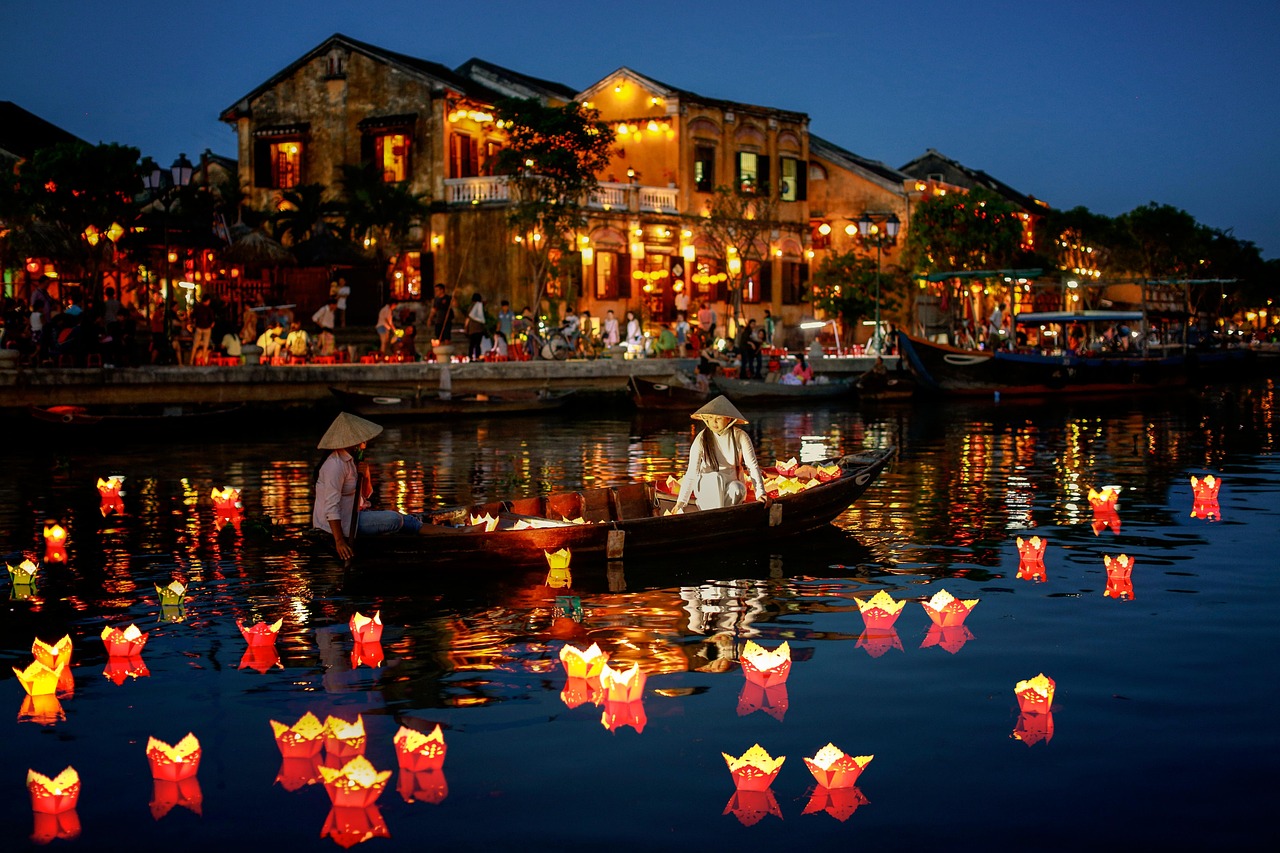
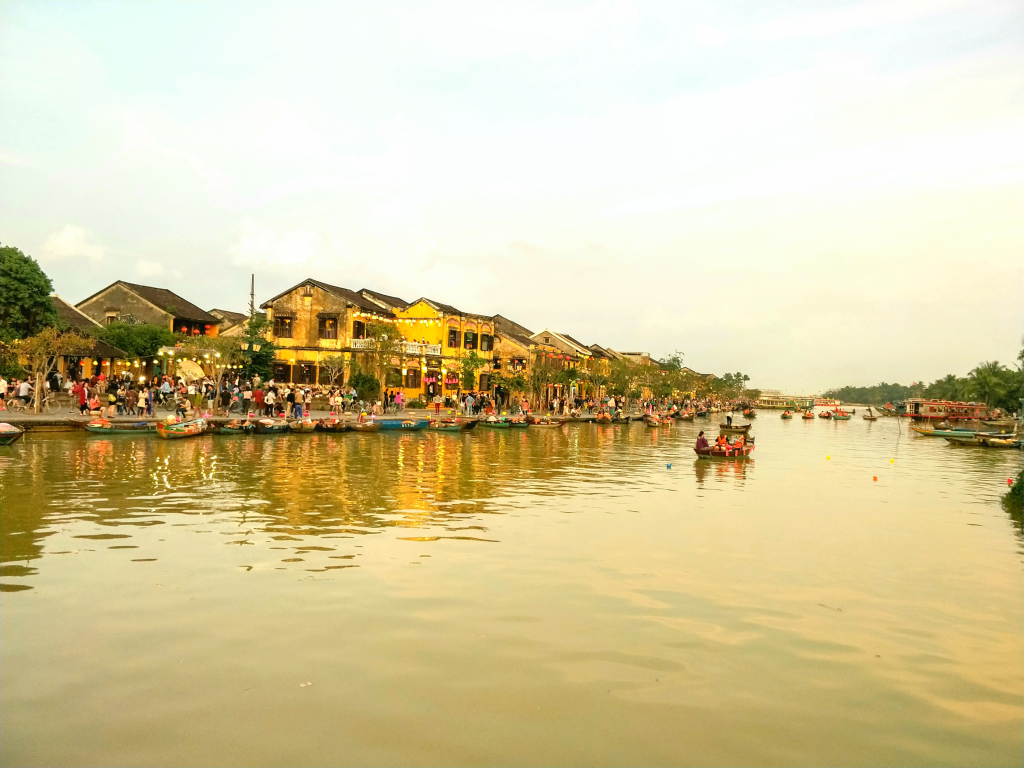
Architecturally, French rule (roughly 1888 to 1954, in terms of direct control over the town) did add a visible new layer to Hoi An, but it is not a straightforward "French" layer. Colonial-style houses with load-bearing brick walls, shuttered windows, wrought-iron balconies, and ornate facades appeared on some of the town's streets during this period, and one of the best-preserved examples now houses the Museum of Sa Huynh Culture on Tran Phu Street (Visit Quang Nam, "The architecture of the Ancient Town"). But these houses were mostly commissioned and built by wealthy Chinese merchant families who adopted the fashionable French style of the day, not by French colonists themselves (Hotel Royal Hoi An, "Hoi An's ancient architecture"). In other words, even Hoi An's "colonial" architecture reflects the same pattern the town's earlier trading history established: outside styles absorbed and reworked by the resident merchant community, rather than imposed wholesale from outside.
Why being overlooked by French planners mattered later
For a town that had spent two centuries as a major international port, being passed over by French colonial planners in favor of Da Nang could easily read as decline layered on decline. In the near term, that is largely what it was: Hoi An's population and commercial importance both continued to shrink relative to its neighbor through the first half of the 20th century.
But this same marginal status is also why Hoi An escaped the kind of large-scale demolition, rebuilding, and modern urban development that transformed Da Nang, Hue, and other regional centers that the French, and later others, invested in more heavily. A town nobody was rushing to redevelop is also a town whose merchant houses, assembly halls, and covered bridge had fewer reasons to be torn down. That connection between being overlooked and being preserved becomes even more direct in the town's next chapter, when Hoi An's relative unimportance to military planners helped it avoid the destruction that reshaped much of the rest of Quang Nam province during the war years that followed.
What visitors should know
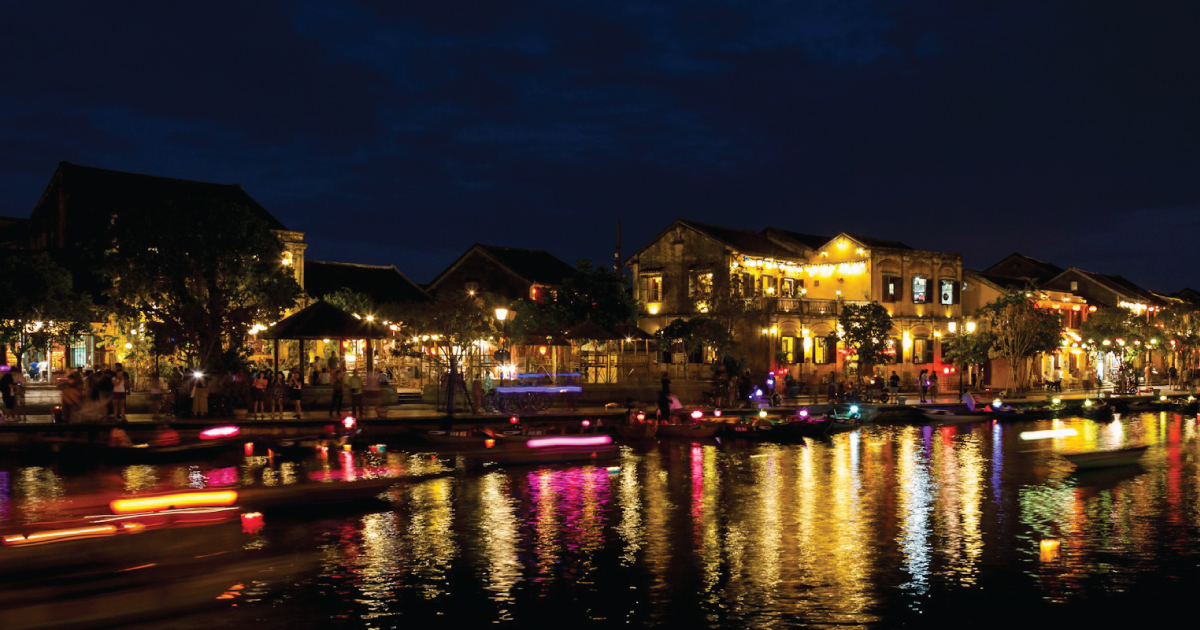
Very little in the Old Town today was built by the French for the French. What is often labeled "French colonial" architecture in Hoi An is, more precisely, evidence of local Chinese merchant families adapting an imported style to their own houses, in the same way Japanese and Chinese communities had adapted trading-port architecture centuries earlier. The Résidence de France compound and the tramway terminus that once stood near it are gone; what remains are individual houses and a handful of civic buildings, best appreciated as one more layer in a town shaped by successive outside influences rather than as a distinct "French quarter" to seek out on its own.
How to experience this history meaningfully today
The Museum of Sa Huynh Culture on Tran Phu Street is a practical way to see this layer of Hoi An's history directly: the building itself is one of the town's better-preserved colonial-style structures, and it sits only a short walk from the Chinese assembly halls and merchant houses built in the preceding centuries, making it easy to compare architectural periods within a single walk. Reading Hoi An's colonial-era buildings alongside, rather than separately from, its older Chinese and Japanese-influenced architecture is the more accurate way to see them: as one more addition to a town that repeatedly absorbed outside influence on its own terms.
French colonial rule over Vietnam ended in 1954, when Viet Minh forces defeated the French garrison at Dien Bien Phu and the resulting Geneva Accords brought roughly seventy-five years of French colonialism to a formal close, while temporarily dividing Vietnam at the 17th parallel pending national elections that were never held (Alpha History, "The Geneva Accords of 1954"). That division set the stage for the next, far more consequential chapter in Quang Nam's history: the conflict many foreigners call the "Vietnam War," and that in Vietnam is called the Cuộc kháng chiến chống Mỹ, cứu nước (1954-1975) — the Resistance War Against the United States, To Save the Nation, in which the United States took over the foreign military and political role France had just given up. How that war reached Hoi An, and why the Old Town survived it largely intact, is covered in the next article in this series.
Related reading: