Hoi An as an International Trading Port, 15th-19th Century
Hoi An as an International Trading Port, 15th-19th Century
For roughly two centuries, a small port on Vietnam's central coast was one of the places where Asia and Europe did business with each other. Chinese junks, Japanese red-seal ships, and Portuguese and Dutch vessels all anchored at Hoi An in the same trading season, exchanging silk, ceramics, spices, and silver in a town built specifically to make that exchange easy. This was not a colonial outpost or a single empire's harbor; it was a deliberately cosmopolitan port that different rulers and communities built together, each for their own reasons. Understanding why they came, and what they came for, explains why Hoi An's Old Town looks the way it does today.
From a Cham river mouth to a Nguyen lord's ambition
Before Hoi An existed as a Vietnamese town, this stretch of the Thu Bon River was already a trading point under the Champa Kingdom, used as early as the 2nd century BCE by the Sa Huynh people who preceded the Cham, and later developed by the Cham themselves into one of their kingdom's key ports (UNESCO nomination file). By the 15th century, as Dai Viet's southward expansion brought the area under Vietnamese control, the port had already built a reputation among regional traders.
The real transformation began in the late 16th century, when Nguyen Hoang, the founder of what would become the separate southern Vietnamese realm of Đàng Trong (also known to European traders as Cochinchina), took control of Quang Nam. Where the rival Trinh lords who ruled the north, Đàng Ngoài (or Tonkin), were more cautious about foreign trade, Nguyen Hoang saw it as a strategic necessity: foreign commerce brought customs revenue to fund his administration and, just as importantly, gave him access to imported weapons and military technology he needed to hold his own against the Trinh (Wheeler, "A Maritime Logic to Vietnamese History," Seascapes conference proceedings). He designated Hoi An as his regime's primary port for overseas trade and actively courted foreign merchants, including writing directly to the Japanese shogunate to encourage trade ties (Hoàng Anh Tuấn, "Vietnamese–Japanese Diplomatic and Commercial Relations").
An open-door policy that built a boomtown
What followed is sometimes described as Hoi An's golden age, running from roughly the late 16th century through the early 18th century. The Nguyen lords ran an unusually open trading policy for the period: foreign merchants were largely left to manage their own affairs and communities, with local port administrators overseeing rather than controlling commerce (Wheeler). This mattered because it let each merchant community operate on terms it understood, which in turn made Hoi An attractive to groups who might otherwise have avoided a foreign, and potentially unpredictable, market.
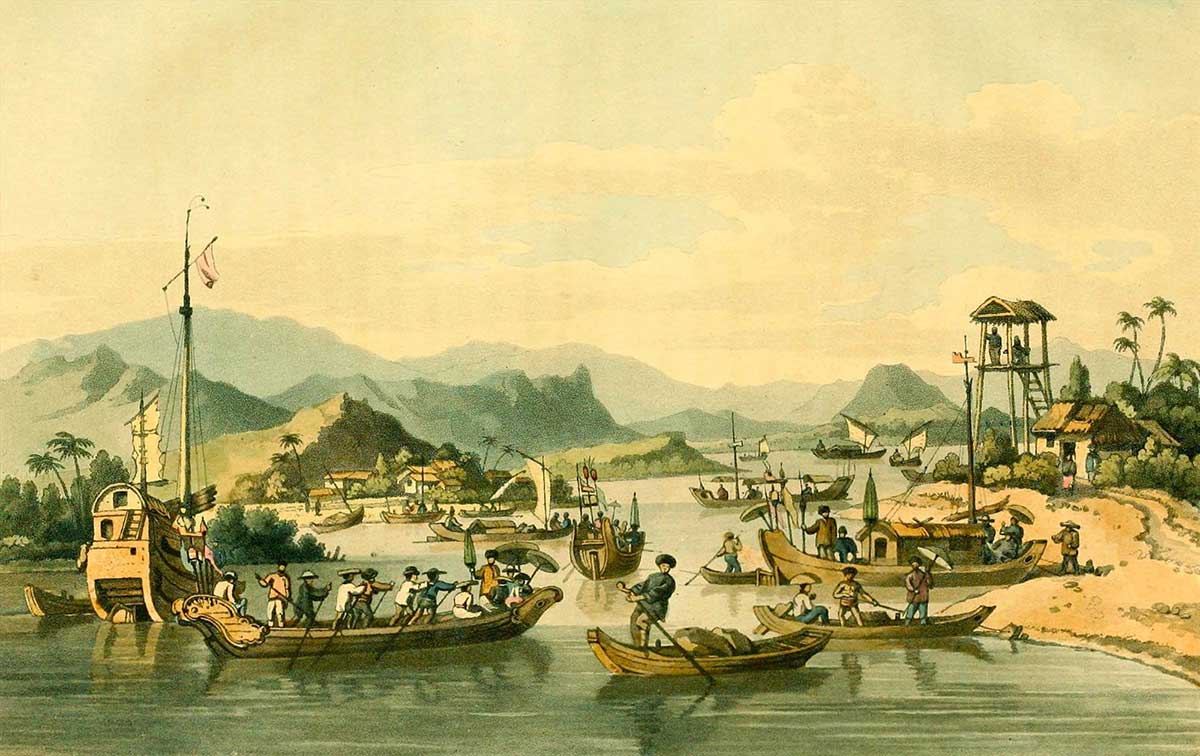
Japanese traders arrived under the shogunate's official "red-seal ship" licensing system, which authorized merchants to trade in Southeast Asia after China closed direct trade with Japan; between 1604 and 1639, roughly 130 of the system's licensed voyages went to Vietnam, most of them to Hoi An (Japan National Archives, Red Seal Trade). A resident Japanese trading community, a Nihonmachi, grew up on one side of the town, separated from other quarters by the covered bridge that still stands today. Chinese merchants, chiefly from Fujian, Guangdong, and Hainan, had traded at the port even earlier and, unlike the Japanese, never fully left, becoming the town's dominant and most enduring merchant community over the following centuries. Portuguese traders made contact with the port as early as 1535, drawn there by the same maritime routes that had opened Portuguese access to India and the wider region, and Dutch merchants followed from 1633 (SAV Journal, "The Portuguese Influence in Hoi An").
What moved through the port, and why it mattered
Hoi An functioned as a seasonal marketplace rather than a permanent single transaction point: ships from China, Japan, and Europe arrived on monsoon-timed voyages and often waited months in port for favorable winds home, during which merchants traded, resupplied, and in some cases settled semi-permanently. Vietnamese and highland traders brought silk, spices, and forest products such as agarwood down the Thu Bon River; Chinese ships brought porcelain, tea, paper, and metals; and outbound cargo included Vietnamese silk, sugar, and ceramics destined for Japanese, Chinese, and European markets (SamuraiWiki, Hoi An). For the Nguyen state, this trade was not a minor sideline: it was, in the words of one modern historical account, one of the central engines driving the development of the entire Đàng Trong economy, funding the Nguyen administration and its military rivalry with the Trinh in the north (Wheeler).
This is also the period, and the reason, Hoi An's Old Town has the layered architecture it has today. The Chinese assembly halls (hội quán) built by merchant communities from specific home regions, and the covered Japanese Bridge, Chùa Cầu, built by the Japanese trading community before Japan's 17th-century isolation policy ended its overseas trade, both date from this era and reflect distinct, self-governing foreign communities living and working side by side rather than a single imported architectural style.
By the mid-18th century, this golden age was already fading: political instability during the Tay Son period disrupted trade, European trading posts in the region were withdrawing, and the Thu Bon River had begun the gradual silting that would eventually push commercial shipping north to Da Nang. That decline, and what came after it, is its own story, covered in Hoi An Through the Centuries: From Champa Port to World Heritage Town.
What visitors should know
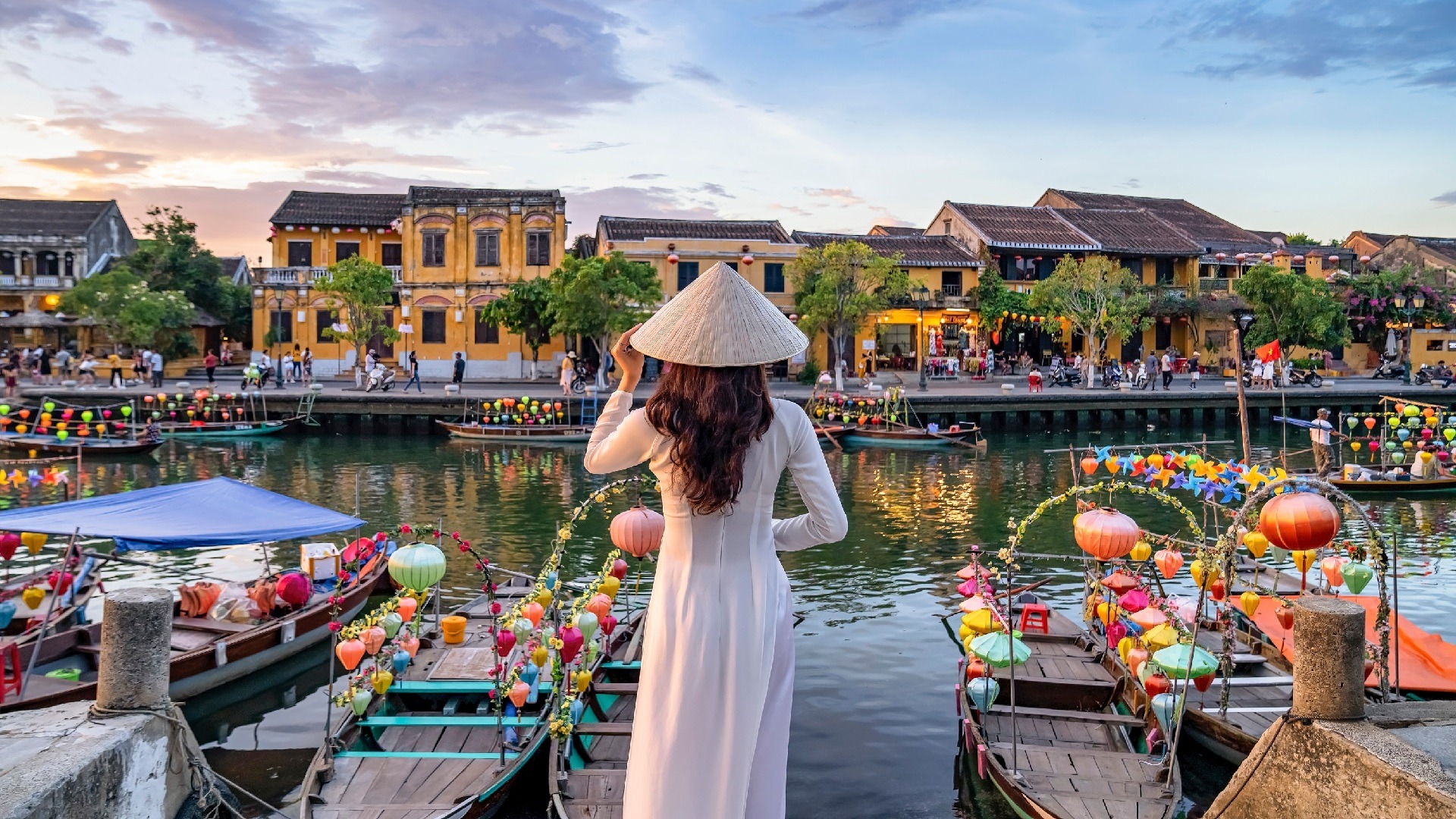
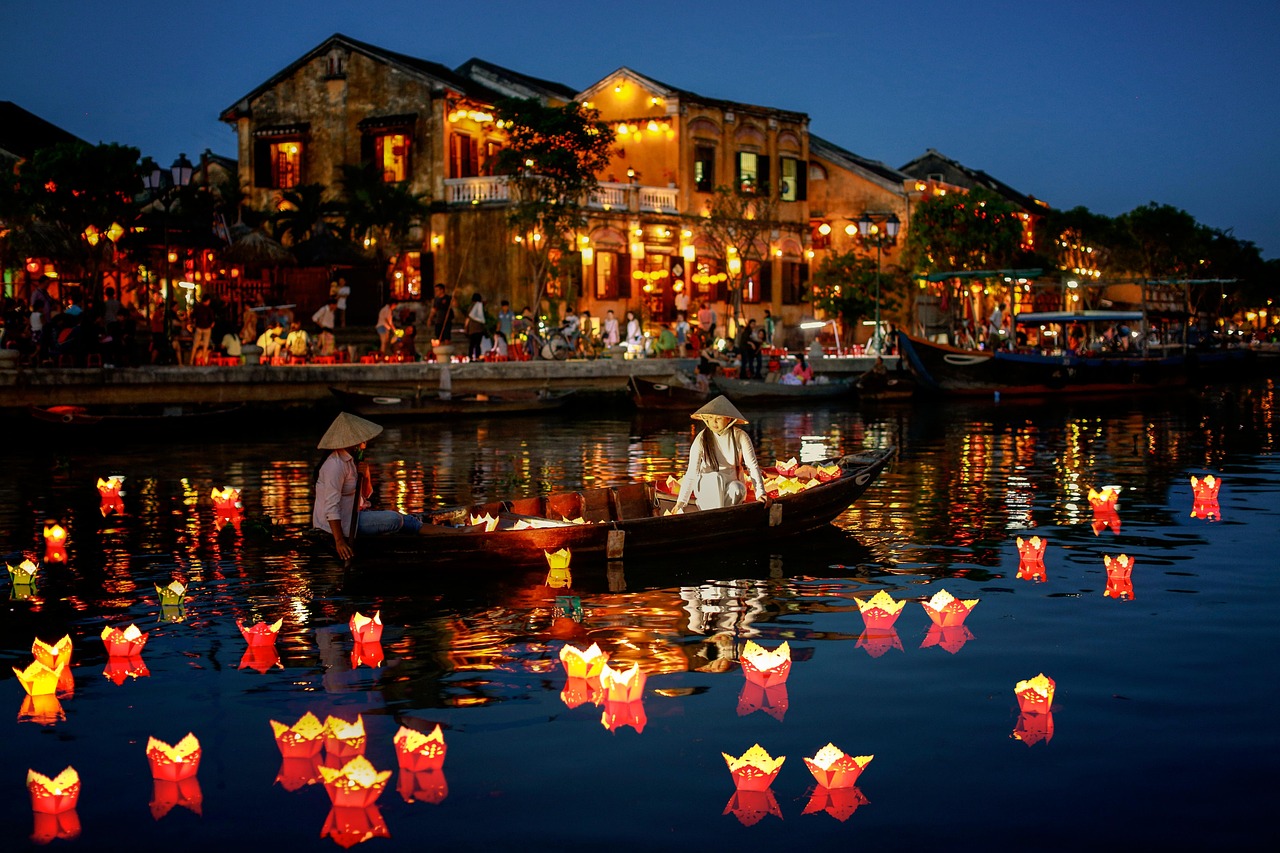
The buildings most visitors photograph in the Old Town today, the assembly halls, the merchant houses, the covered bridge, are not a single coordinated "old town" design; they are what is left of several distinct, self-organized foreign trading communities that operated in the same small port at overlapping points between the late 16th and 18th centuries. Reading them that way, as evidence of separate communities rather than one uniform "ancient" style, changes how the architecture reads.
It is also worth knowing that Hoi An's role as a global trading hub predates and outlasts any single foreign power's presence there: the Japanese community was gone by the mid-17th century, European trading posts largely withdrew by the late 18th century, but Chinese merchant families remained continuously involved in the town's commerce for centuries, which is part of why Chinese cultural influence is more visible in the Old Town today than Japanese or European influence, aside from the bridge itself.
How to experience this history meaningfully today
The assembly halls built by Hoi An's Chinese congregations, including Phúc Kiến (Fujian), Quảng Triệu (Guangdong), and Hainan assembly halls, remain active community and ancestor-worship spaces today, not just historic sites, and visiting them with that in mind changes the experience from sightseeing to observing a living institution. The Museum of Trade Ceramics, housed in a restored early-20th-century merchant house on Tran Phu Street in the Old Town, displays ceramic pieces recovered from this trading period and from shipwrecks in the surrounding waters, and is a useful next step for readers who want to see physical evidence of the goods described above rather than take the trading history on faith. As with any specific address, opening hours, or admission arrangement, confirm current details before a visit.
Related reading: