
Hoi An Old Town Entry Ticket: What It Covers, Why It Exists
Hoi An’s Old Town is a living neighbourhood rather than a fenced museum, but visits to its World Heritage area are managed through an official ticket programme. The clearest practical advice is: buy a ticket from an official booth before entering the Ancient Town, then follow the directions of heritage staff for the streets and monuments you plan to visit.
The rules and prices below follow the 28 January 2026 announcement of the Hoi An World Cultural Heritage Conservation Center. Recheck them at an official ticket point when you arrive, since practical arrangements can change.
The two current ticket options
The official 2026 announcement offers two ticket structures:
| Ticket | What it includes |
|---|---|
| 80,000 VND | The general landscape of the Ancient Town; one required monument—either the Japanese Covered Bridge or Quan Công Temple; and two additional monuments chosen from the remaining listed sites. |
| 120,000 VND | The general landscape of the Ancient Town; one required monument—either the Japanese Covered Bridge or Quan Công Temple; one museum chosen from the museum system; and three additional monuments chosen from the remaining listed sites. |
The 80,000 VND option therefore includes three monument visits. The 120,000 VND option includes five: the required Chùa Cầu or Quan Công Temple visit, one museum and three further monuments. Ask at the official booth if you have a particular old house, assembly hall or museum in mind, because the eligible-site list and access arrangements are administered through the ticket system.
What visitors can see with a ticket
The programme includes different kinds of places rather than one uniform set of attractions:
- Merchant houses, where families combined commerce, domestic life, storage and ancestor worship.
- Chinese assembly halls, known as hội quán, which remain important religious and community spaces.
- Museums, including places that interpret trade ceramics, Sa Huỳnh culture and folk culture.
- Religious and civic monuments, including the Japanese Covered Bridge and Quan Công Temple.
Ticket holders can also join certain cultural activities when scheduled: performances at the Traditional Art Performance House, Japanese tea-ceremony presentations at the Japanese Culture Gallery, and selected activities in the evening “Night Town” programme.
Do not assume every heritage-looking building uses the same admission arrangement. Check the current list and opening status at the official booth.
How long the ticket is valid
You do not need to buy another ticket each time you return during the same stay. The official notice says one purchase remains valid for a visitor’s stay in Hoi An, for up to three days. Once you have used the included monument visits, keep the ticket stub with you for easy access to the Ancient Town.
This does not mean that all monument interiors are open at all hours. Use indoor visits in daytime, and ask staff about temporary closures, conservation work or altered hours.
What does “general landscape” mean?
The official policy explicitly includes a visit to the general landscape of the Ancient Town in both ticket options. In practice, Hoi An is also a functioning urban district with public streets, homes, restaurants, cafés, shops and a market. Visitors should not treat it as a sealed museum or assume that every doorway is a ticketed monument.
The transparent approach is not to rely on informal claims about whether a particular street is “free.” Buy the official ticket before entering the heritage area, then distinguish between everyday businesses and the designated heritage visits included on the ticket. Follow directions from ticket and heritage staff, especially during busy periods or in walking-and-cycling zones.
Why the system exists
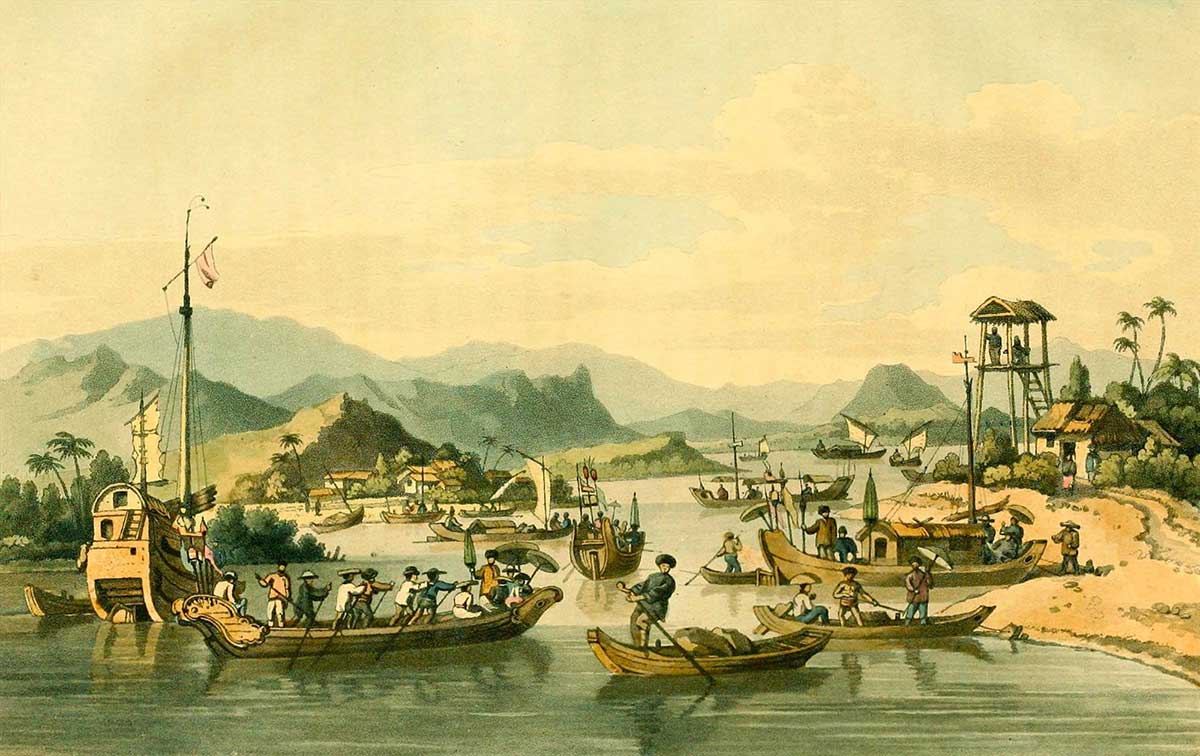
Hoi An Ancient Town is a UNESCO World Heritage Site: an exceptionally well-preserved Southeast Asian trading port from the fifteenth to the nineteenth centuries. The local conservation centre likewise presents ticket purchase as a contribution to both physical conservation and cultural activity. The system therefore links a structured heritage visit with the long-term care of the places visitors enter.
Choosing the right ticket
Choose the 80,000 VND ticket if you have limited time or want a short heritage visit: Chùa Cầu or Quan Công Temple plus two further monuments.
Choose the 120,000 VND ticket if you want a fuller historical visit, especially if a museum matters to you. A thoughtful combination might be:
- Japanese Covered Bridge or Quan Công Temple;
- one museum, such as the Museum of Trade Ceramics;
- one merchant house;
- one assembly hall; and
- one further monument that fits your route.
For a route that connects these places into one story, see Walking Hoi An’s Old Town: A Route Through Merchant History.
Frequently asked questions
Do I need a ticket when visiting the Old Town?
Do I need to buy another ticket when I return at night?
Why do some people not show a ticket?
They may be local residents, visitors using everyday businesses, or people eligible for an exemption or concession. The 2026 policy exempts children under 16, people from poor households, journalists, researchers, Vietnam Heritage Association members and people with severe disabilities. It also specifies a 50% discount for eligible Vietnamese groups, including war veterans, certain older people and people with disabilities.
Is the ticket worth buying if I have only one day?
How should I behave inside ticketed sites?
Treat assembly halls, temples and family spaces as active places of belief and community life. Speak quietly, do not block altars or offerings, and ask before photographing people or rituals.
Practical note
The Ancient Town operates walking-and-cycling rules at set times, which vary by season. The official 2026 notice lists 9:00 a.m.–9:30 p.m. in summer and 9:00 a.m.–9:00 p.m. in winter for the Ancient Town, with separate evening rules for Phan Châu Trinh Street. Check locally for the current day’s arrangements.
Source
- Hoi An World Cultural Heritage Conservation Center, “Announcement of the visiting in Hoi An Ancient Town,” 28 January 2026, https://hoianheritage.danang.gov.vn/en/news/news-events/announcement-of-the-visiting-in-hoi-an-ancient-town-125.html
- UNESCO World Heritage Centre, “Hoi An Ancient Town,” https://whc.unesco.org/en/list/948/