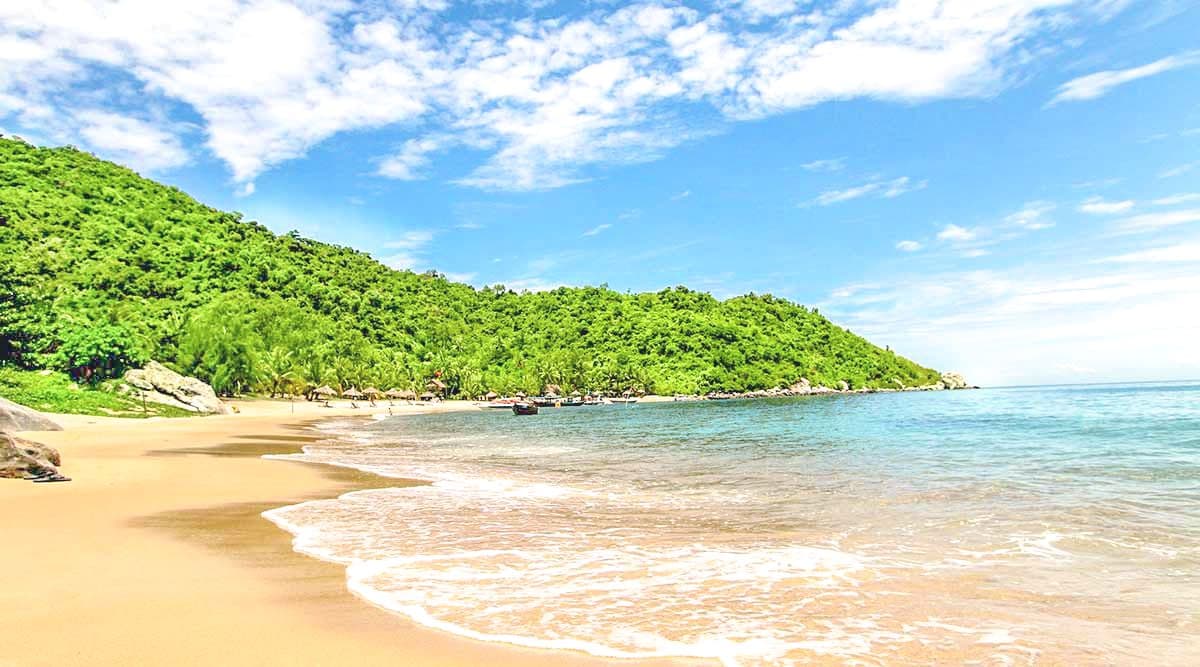
Hoi An's Coast: Beaches, Fishing Villages, and the Cham Islands
Hoi An is known for its Old Town, but its relationship with the sea is just as important. A few kilometres east of the historic river port, beaches, coastal communities, estuaries and the Cham Islands (Cù Lao Chàm) show another side of the town: one shaped by fishing, seafood, tourism, seasonal weather and a shoreline that continues to change.
This guide helps you choose between An Bang, Cua Dai and the islands while understanding them as more than separate leisure stops. The coast is where people live and work year-round, including when storms interrupt boat services and when the beach is a workplace before it becomes a place to swim.
Choose the coast that fits your trip
| If you want… | Choose | Allow |
|---|---|---|
| An easy beach day with food, cafés and a glimpse of a working shore | An Bang Beach | A morning or afternoon |
| Resort surroundings and a clearer view of erosion and restoration | Cua Dai Beach | A few hours to half a day |
| An offshore day of island scenery, swimming and conservation context | The Cham Islands | One full day, with weather flexibility |
| A quieter coastal rhythm | An Bang or Tan Thanh early in the morning | One to two hours |
For practical combinations with the Old Town and inland excursions, see Hoi An Itineraries: How to Spend 1, 2, 3, or 4 Days.
Understanding Hoi An’s coastline
Hoi An’s coast sits where the Thu Bon River meets the sea. The Old Town is inland on the riverbank, while the principal beaches and coastal neighbourhoods are roughly three to five kilometres east—an easy bicycle or motorbike ride for many visitors.
An Bang is a mixed coastal community of residents, fishing households, homestays, villas and small restaurants. Cua Dai, farther south, has long been associated with resort development and has also become a visible example of erosion and restoration. Offshore, the Cham Islands combine reefs, forested islands and island communities.
These places are connected. Seafood moves from coastal boats into Hoi An kitchens; storms affect beach access and island crossings; and tourism changes how land, water and public space are used. This is why the coast is best understood as part of Hoi An, not as an optional strip of sand beyond it.
An Bang: beach life beside a working shore
An Bang is usually the simplest first choice for visitors who want a beach experience without leaving Hoi An’s everyday rhythm behind. The area has changed considerably from its fishing-and-farming past, but homes, fishing activity, guesthouses, restaurants and beach businesses still share the same coast.
Early morning is the best time to see this working rhythm. Depending on weather and catch, boats and coracles may come in, seafood may be sorted, and small informal sales can appear near the beach or roadside. Stay on public paths, leave room for equipment and boat access, and avoid gathering around people who are working.
Later, the leisure side becomes more visible: swimming, lunch, cafés and beach seating. Family-run restaurants, homestays and villas have expanded here since the early 2010s, alongside continuing fishing activity.
- Walk or cycle there early if you are interested in the morning shore.
- Stop at a small café or seafood place rather than treating work around you as a photo opportunity.
- Swim later, in an area that is open and locally recommended that day.
- Ask before close-up photographs, and avoid drones near boats, homes and working areas.
Cua Dai: a shoreline in transition
Cua Dai offers a different coastal experience. It was long Hoi An’s main resort beach, but erosion has narrowed or damaged parts of the shoreline over many years. Protective works and beach-nourishment projects have improved some sections, although storms and seasonal currents continue to reshape the coast.
Conditions can vary substantially. One section may have broad sand and a resort atmosphere; another may have protective structures or limited practical access. Check current local advice and assess conditions on arrival rather than relying on old photos, reviews or maps.
Cua Dai suits travellers staying nearby, those interested in Hoi An’s environmental challenges, or anyone who prefers a quieter resort setting. It is not a place to promise a uniform beach experience, and that uncertainty is part of its story.
Fishing communities and coastal etiquette
Coastal livelihoods are varied. A household may combine fishing, seafood sales, seasonal work, food service or accommodation. These are practical responses to changing catches, weather, costs and visitor demand.
- Keep clear of boats, nets, equipment and haul routes.
- Do not enter private yards, boats or working spaces without an invitation.
- Ask before photographing people’s faces or their catch, and do not photograph children without a parent’s consent.
- Buy food or a drink locally if you stop, and avoid aggressive bargaining over small amounts.
The Cham Islands: marine reserve and living islands
Around 20 kilometres offshore, the Cham Islands are a group of forested islands, beaches, reefs and villages. They belong to the Cù Lao Chàm–Hội An biosphere landscape and are governed by marine-conservation measures. Fishing, homestays, restaurants, transport and visitor services are all part of island life.
Getting there and planning well
Most visitors depart from the Cua Dai area. Speedboat or canoe is usually the faster crossing; wooden passenger boats are slower and have more limited operation. Exact departure points, times, fares and crossing duration vary by operator and sea conditions.
A typical day trip combines a crossing, time at a designated swimming or snorkelling site, lunch and a short visit around an island settlement. Do not schedule it on the day of a flight, long train journey or other non-flexible connection.
Weather, season and safety
March through August is generally the more reliable period for crossings and sea activities, but weather and maritime decisions always take priority. During stormier periods, disruption can last longer and requires a flexible itinerary.
For any planned departure, confirm the boat service directly with Cua Dai port or your operator on the morning of travel. Services can be delayed or cancelled by weather or maritime-authority restrictions.[^4]
Wear the safety equipment provided, consider motion sickness before booking, and accept a cancellation without pressuring crew or staff.
Conservation is part of the visit
The islands’ marine environment is not a backdrop for a snorkelling product. Follow local rules and restrictions, especially in designated swimming and snorkelling areas.
- Do not touch, stand on, collect or feed coral, fish or other marine life.
- Snorkel only where it is permitted and monitored.
- Avoid single-use plastic and take waste with you when bins are unavailable; Cù Lao Chàm has long promoted a no-plastic-bag approach.
- Respect homes, village quiet hours and staff instructions.
How to experience Hoi An’s coast respectfully
Choose one main coastal experience and leave adequate time. For beaches, swim only in areas that are open and locally recommended. At An Bang, conditions are often suitable during the calmer season, but families should still watch children closely and ask locally about currents or flagged zones.[^6] At Cua Dai, erosion and shoreline work make same-day advice especially important.
The related guides to cycling through Cam Thanh’s coconut villages and Thu Bon River cruises extend this coastal pillar into riverside and countryside days.
Frequently asked questions
Is An Bang Beach or Cua Dai better for a first visit?
For most first-time visitors, An Bang is the more balanced introduction: it combines food, an accessible beach and glimpses of a working shore. Cua Dai is better for resort stays or for travellers interested in how erosion and restoration are changing the coast. Check current beach access and swimming conditions for either place.
Can you visit a fishing village near Hoi An without joining a tour?
Yes. An Bang and Tan Thanh are reachable from the Old Town by bicycle or motorbike. Go early, stay out of working areas, ask before taking close photographs, and support local food or drink businesses if you stop.
When is the best season to plan a Cham Islands day trip?
March through August is generally the most reliable period for calmer seas and regular services. Weather can still change plans, while stormier months may cause cancellations or longer interruptions. Confirm your exact departure with Cua Dai port or your operator on the day of travel.
Is Hoi An’s coastline suitable for families with children?
It can be, if conditions are suitable. An Bang is often the simplest mainland option in calmer weather. At any beach, use locally recommended swimming zones and supervise children closely. For the Cham Islands, consider the sea state, boat crossing and each child’s comfort before booking.
Sources and practical notes
: Vietnamnet Global, “Beach village lures tourists with romantic summer vibes”, 13 September 2022.
: Vietnamnet Global, “Solutions for restoring and protecting Cua Dai Beach, Hoi An coastline”, 20 May 2024; Vietnam News, “Erosion damages beaches in Đà Nẵng and Hội An”, 1 January 2025.
: Cù Lao Sinh Travel, daily fixed schedule, accessed 13 August 2026. Operator schedule only; availability may change with weather or maritime restrictions.
[^4]: Hội An World Heritage, “Bỏ túi kinh nghiệm du lịch khám phá đảo Cù Lao Chàm chi tiết nhất”, 14 November 2022.
: Cù Lao Chàm Marine Protected Area, “Cham Islands target ‘zero waste’”, 22 September 2023; Đà Nẵng Today, “Efforts to keep Cu Lao Cham forever green”, 7 May 2025.
[^6]: Vietnam Airlines, “An Bang Beach, Hoi An: Vietnam's Hidden Coastal Sanctuary”, 5 January 2026.
Fact-check log
| Item | Status | Source type | Last verified |
|---|---|---|---|
| An Bang’s evolution from fishing-and-farming village to mixed beach community | Supported by local reporting on tourism growth alongside fishing activity; do not imply all households followed the same transition | Local reporting | 13 August 2026 |
| Cua Dai erosion and restoration | Supported by reporting on continuing erosion and coastal-protection/restoration projects; conditions remain variable | Vietnamese news reporting | 13 August 2026 |
| Cham Islands crossings | Exact times, fares and availability require confirmation directly with port or operator | Current operator information | 13 August 2026 |
| Weather and safety | Weather and maritime restrictions can delay or cancel service; verify on the day | Destination and operator guidance | 13 August 2026 |
| Marine-reserve visitor conduct | Supported by MPA guidance and reporting on plastic reduction and regulated marine activity | MPA / local reporting | 13 August 2026 |