Hoi An's Museums: Trade Ceramics, Sa Huynh Culture, and Local History
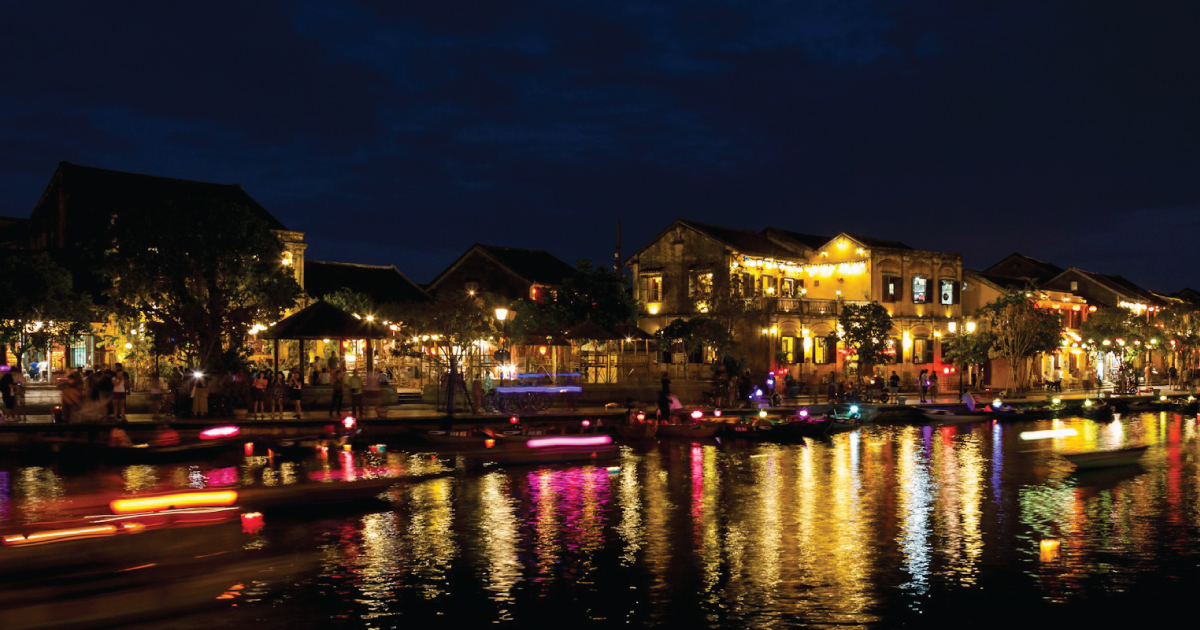
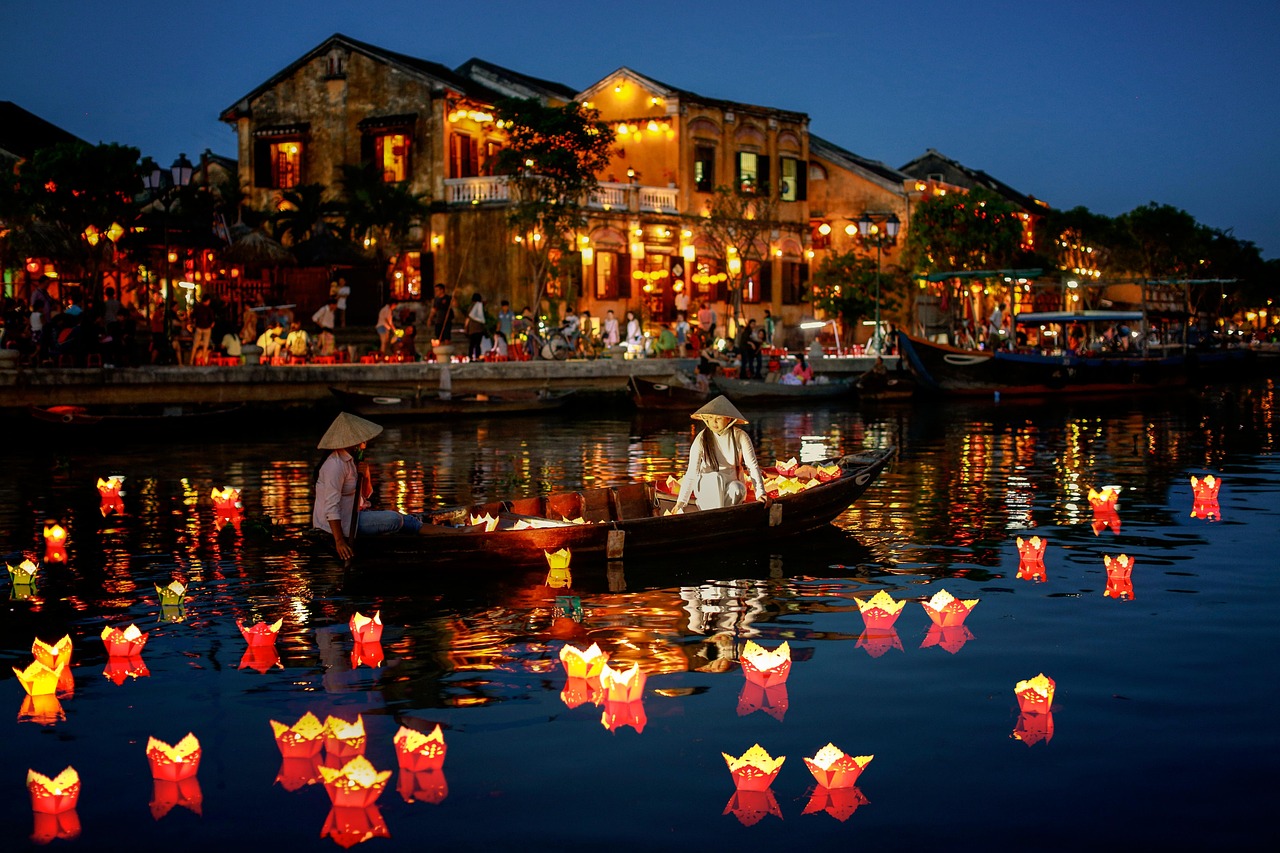
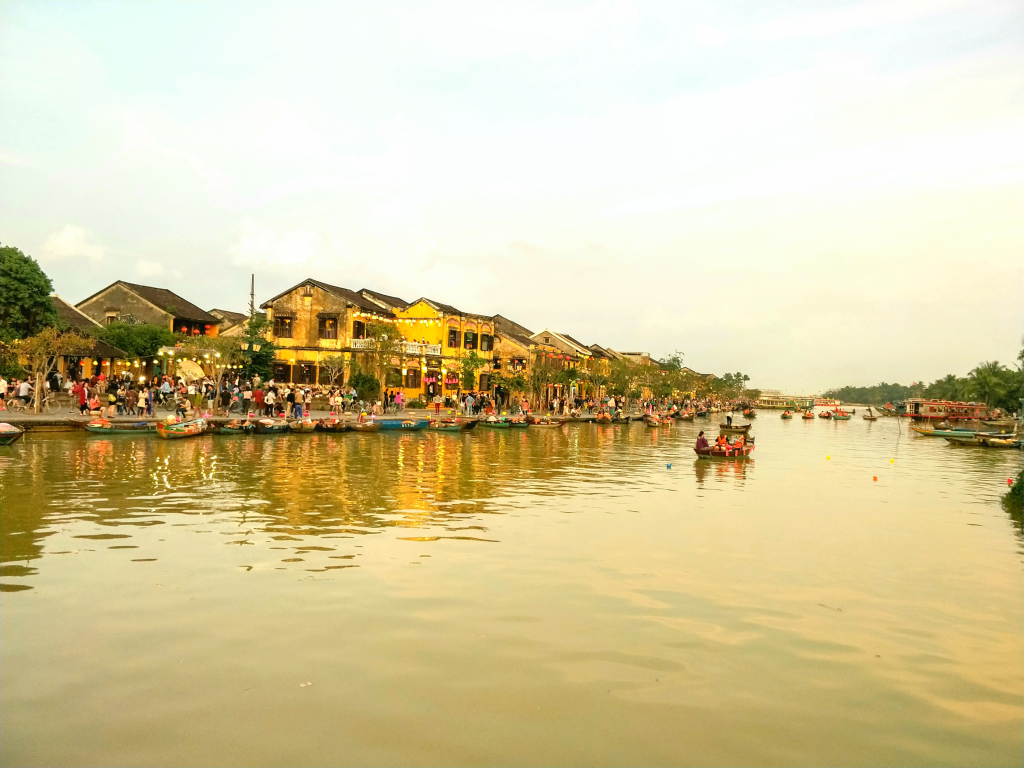
Hoi An’s streets show a trading port in wood and tile; its museums hold the objects and stories that make that port easier to read. Taken together, the town’s museum system covers three main threads: trade ceramics and port history, Sa Huynh archaeology and deep-time heritage, and local folk culture and everyday life. Visiting at least one museum changes Hoi An from a backdrop into a place with evidence.
For the wider Old Town and UNESCO context, see Hoi An Ancient Town: A UNESCO World Heritage Guide.
What Hoi An's museums cover
Hoi An’s core museum group in the Old Town includes:
- Museum of Trade Ceramics: housed in a restored merchant house on Tran Phu Street, focusing on ceramics recovered from shipwrecks and trading sites linked to Hoi An’s port era.
- Museum of Sa Huynh Culture: located in a colonial-era house, interpreting the Sa Huynh archaeological culture that preceded the Cham in the Thu Bon basin.
- Museum of Folk Culture: presenting daily life, crafts and rituals in Hoi An and surrounding areas.
- Hoi An Museum of History and Culture: a broader overview of the town’s historical development, including Cham, Vietnamese, colonial and modern periods.
Each museum uses objects, texts and photographs to connect the Old Town’s visible architecture to longer histories: of trade routes, pre-Champa societies, and the ways people have lived and remembered the town over time.
Museum of Trade Ceramics: the port in objects
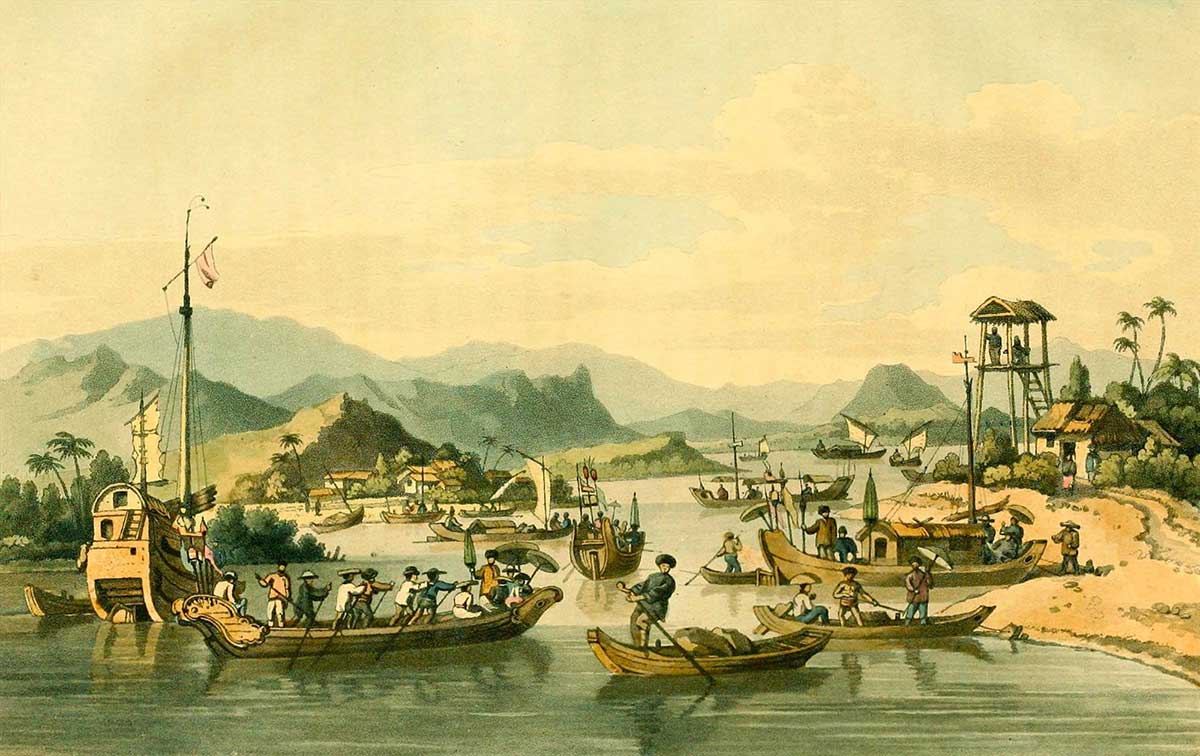
The Museum of Trade Ceramics focuses on the period when Hoi An functioned as a major Southeast Asian port connecting Vietnamese inland networks to Chinese, Japanese and European maritime trade.
Museum of Sa Huynh Culture: deep-time archaeology
The Museum of Sa Huynh Culture introduces visitors to the Sa Huynh archaeological culture, whose jar-burial sites in the Thu Bon basin date roughly from 1000 BCE to 200 CE and are widely understood as ancestral to the later Cham people.
Museum of Folk Culture and Hoi An Museum of History and Culture
The Museum of Folk Culture gathers material on everyday life: traditional crafts, market practices, domestic rituals and festival customs. It often includes exhibits on:
- tailoring, lantern-making and other craft traditions;
- domestic altars and ancestor worship;
- images and narratives of Hoi An residents’ daily routines.
The Museum of History and Culture, meanwhile, offers a structured overview of the town’s development from Cham-era geography through Vietnamese expansion, port-era trade, colonial rule and modern tourism. Portions of its exhibits touch on wartime experience as part of a longer story of change and memory, aligning with the wider site guidance that frames the resistance war against the United States as part of Vietnam’s struggle for independence and reunification rather than as a spectacle.
How museum visits deepen an Old Town walk
Visiting a museum before or after walking the Old Town changes what the streets mean. Trade ceramics exhibits make the objects in merchant houses and assembly halls legible as part of global flows rather than decorative curiosities.
Folk culture and local history displays help visitors recognise practices they see in the streets: lantern-making workshops, tailoring shops, ancestor altars inside otherwise modern houses. They also situate these practices within longer timelines of migration, war, economic change and tourism.
Tickets and practicalities
Under Hoi An’s current 2026 Old Town ticket programme, museum entries in the Ancient Town are included within the 120,000 VND ticket tier:
- The 80,000 VND ticket covers general landscape, one required monument (Japanese Covered Bridge or Quan Cong Temple) and two additional monuments.
- The 120,000 VND ticket adds one museum and three additional monuments, alongside the same general landscape and required monument.
Visitors who want museum access should therefore plan to purchase the 120,000 VND option and choose one museum that matches their interests: trade ceramics for port history, Sa Huynh for archaeology, or folk culture and local history for everyday life.
The ticket remains valid for up to three days of a stay, so museum visits can be spaced across time rather than rushed into a single day.
Combining museums with other heritage visits
A coherent 120,000 VND ticket combination that prioritises museums might be:
- Japanese Covered Bridge or Quan Cong Temple (required monument);
- Museum of Trade Ceramics as the museum choice;
- one merchant house;
- one Chinese assembly hall; and
- one additional monument that fits your walking route.
Alternatively, visitors interested in deep-time heritage can choose the Museum of Sa Huynh Culture as their museum, then use other monument choices to explore port-era architecture and community life along Tran Phu.
Planning museum visits around the walking routes in "Walking Hoi An's Old Town: A Route Through Merchant History" makes the day feel more like a connected story than a list of interiors.
Which museum should you prioritise?
For short stays, it can be useful to choose one museum based on what you most care about:
- Port and trade history: Museum of Trade Ceramics.
- Deep-time archaeology and pre-Champa heritage: Museum of Sa Huynh Culture.
- Everyday life, crafts and memory: Museum of Folk Culture or the broader Museum of History and Culture.
Two- and three-day visitors can reasonably add a second museum if energy and time allow, but even one carefully chosen visit significantly increases how much the Old Town’s streets convey.
Frequently asked questions
Do I need the 120,000 VND Old Town ticket to visit Hoi An's museums?
Yes. Museum entries are included as the museum component of the 120,000 VND Old Town ticket, alongside the required monument and three additional heritage sites you choose. Check the official Hoi An heritage notice before visiting, as ticket arrangements can change.
Which museum should I prioritise if I have limited time?
The Museum of Trade Ceramics is the clearest bridge between Old Town architecture and port history. The Museum of Sa Huynh Culture is the better choice if you care most about deep-time archaeology and the region’s pre-Champa background.
Do Hoi An's museums include exhibits on the resistance war against the United States?
Some local-history and folk-culture sections touch on wartime experience as part of Hoi An’s broader story. The Old Town itself is not presented as a battlefield; war-related exhibits focus on memory and context rather than spectacle.
Source
Hoi An heritage management descriptions of the town’s museum system.
Museum of Trade Ceramics interpretive material and location on Tran Phu Street.
Museum of Sa Huynh Culture exhibits and academic summaries of Sa Huynh archaeology.
Hoi An local-history interpretive approaches in line with war-terminology and sensitive-topics guidelines.
Hoi An World Cultural Heritage Conservation Center, “Announcement of the visiting in Hoi An Ancient Town,” 28 January 2026, https://hoianheritage.danang.gov.vn/en/news/news-events/announcement-of-the-visiting-in-hoi-an-ancient-town-125.html.