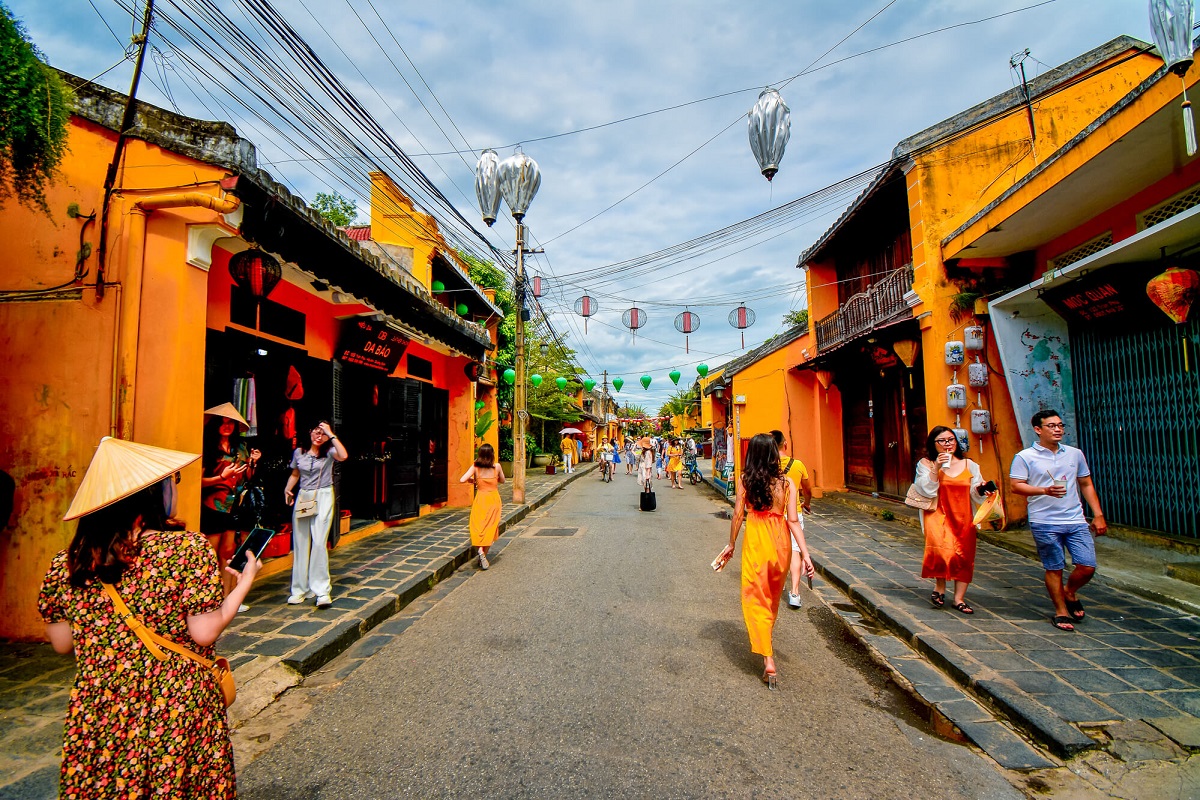
Walking Hoi An's Old Town: A Route Through Merchant History
Walking Hoi An's Old Town: A Route Through Merchant History
Hoi An’s Old Town is easy to walk, but it becomes more meaningful when the route follows the town’s historical logic: bridge, merchant houses, community halls, market and river. Choose one of the two routes below. Both are flat, easy loops of roughly 1.6–1.7 kilometres, with time for stops rather than a rushed checklist.
Option 1: Merchant history and everyday life
Best for: first-time visitors who want to understand why Hoi An became an international port. Allow 3–5 hours, depending on the number of interiors you enter.
1. Start at Chùa Cầu
Begin at the Japanese Covered Bridge, at the western end of Trần Phú Street. Look first from outside: its covered timber passage, canal and small shrine make it a practical bridge and a religious structure at once. It linked areas associated with Japanese and Chinese trading communities during Hoi An’s port era.
2. Walk Nguyễn Thị Minh Khai Street
Cross to the north side and take a short detour along Nguyễn Thị Minh Khai. If you want one house interior, choose Phùng Hưng Old House. Notice the narrow frontage, deep plan, wooden frame and mixed Vietnamese, Chinese and Japanese features. Nearby sites including a family chapel and Cẩm Phô Communal House add context about family and neighbourhood life.
Return to Chùa Cầu and cross back to Trần Phú Street.
3. Follow Trần Phú, the commercial spine
Walk east along Trần Phú Street. This is the clearest stretch for seeing how closely merchant commerce, worship and community institutions sat together.
Choose according to your interests:
- Cantonese and Fujian Assembly Halls for overseas Chinese merchant communities, religion and mutual support.
- Đức An or Quân Thắng Old House for another version of merchant-family space.
- Museum of Trade Ceramics for material evidence of goods exchanged through Hoi An.
- Museum of Sa Huỳnh Culture for a longer archaeological context for the region.
A strong 120,000 VND-ticket combination is the required Chùa Cầu or Quan Công Temple visit, one museum, one merchant house, one assembly hall and one further monument that fits your route.
4. Continue to Hoi An Central Market
At the eastern end of the route, enter the Central Market from Trần Phú Street. The market is a useful reminder that commerce in Hoi An is not only historical: food sellers, produce stalls and everyday buying continue the town’s market function.
5. Walk Bạch Đằng beside the river
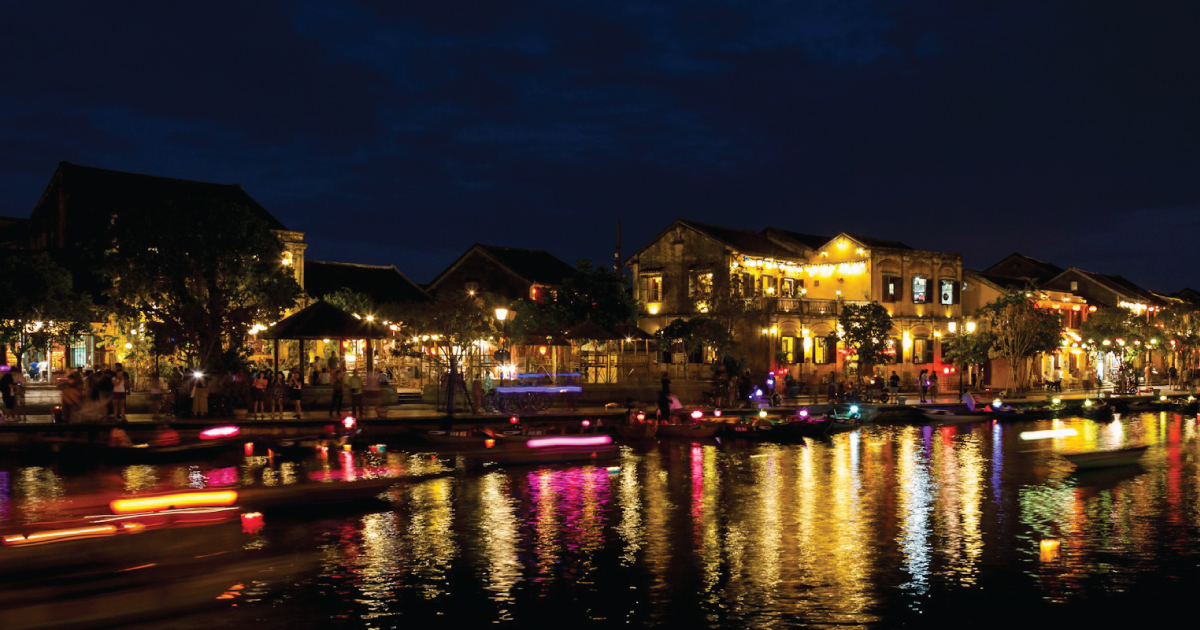
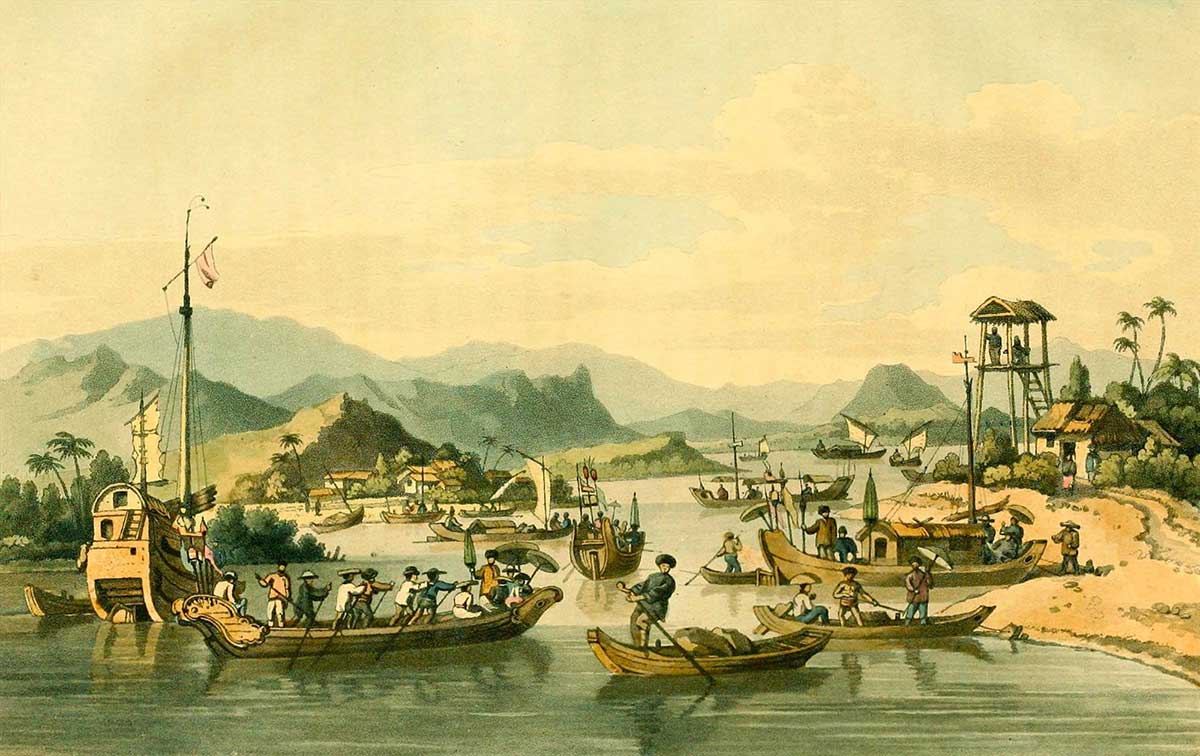
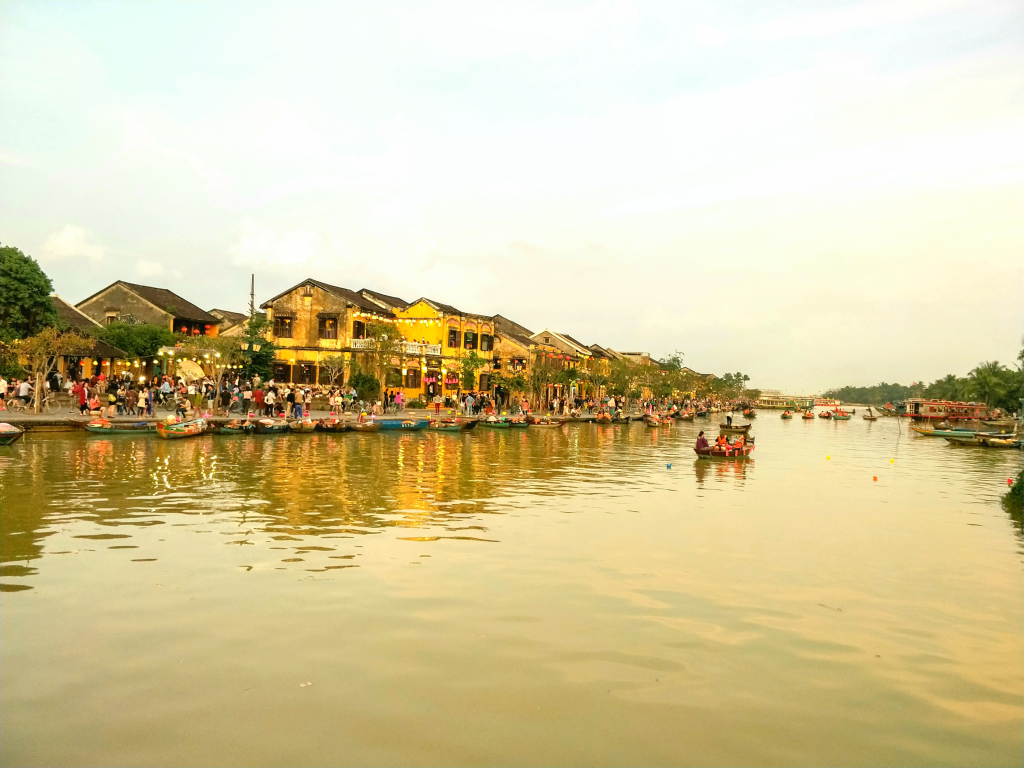
From the market, move south to Bạch Đằng Street and walk west along the Thu Bồn riverfront. The river is the missing half of the merchant-house story: streets handled retail and social contact, while water connected the town to inland products, coastal routes and overseas shipping.
6. Close the loop on Nguyễn Thái Học
Turn north via Lê Lợi Street and continue west along Nguyễn Thái Học. Tấn Ký Old House is a useful final monument entry because its plan makes the street-to-river relationship particularly clear. Continue towards An Hội Bridge. This is a natural endpoint or a transition to the evening market.
Option 2: Evening and photo-focused loop
Best for: visitors who prioritise food, river views, lantern-lit streets and a smaller number of heritage interiors. Start around 3:30–4:00 p.m.; finish around 8:00–9:00 p.m. Plan indoor heritage visits before their posted closing times.
1. Begin at Central Market
Start with a late lunch or early dinner at the market, then move to Bạch Đằng Street. This gives the walk an everyday anchor before the Old Town shifts into its evening rhythm.
2. Walk Bạch Đằng in late-afternoon light
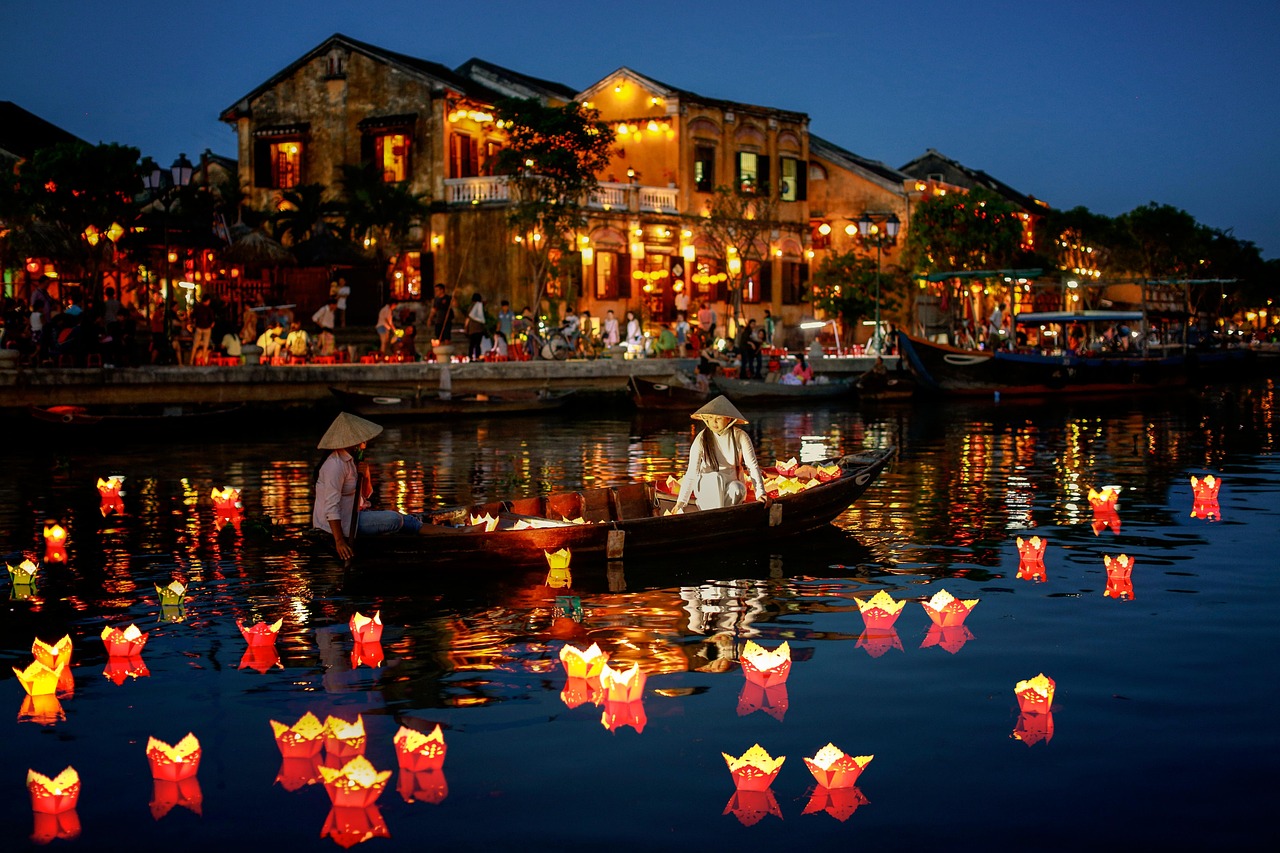
Walk west along the river. Use this stretch for views of boats and riverside life, rather than treating residents or vendors as scenery. You can pass the Museum of Folk Culture and the Traditional Art Performance House; enter only if either fits your ticket plan.
3. Turn north to Trần Phú
Choose one assembly hall, ideally Fujian Assembly Hall, and one merchant house, such as Đức An or Quân Thắng. This gives the route architectural and community context without filling the afternoon with interiors.
4. Reach Chùa Cầu at golden hour
Arrive at the bridge while there is still daylight. View it from surrounding streets and the canal side first. If Chùa Cầu is your required ticketed monument, complete the formal visit while access remains open.
5. Continue to Nguyễn Thái Học and An Hội
Walk towards Nguyễn Thái Học Street. Enter Tấn Ký only if it fits your chosen ticket combination; otherwise keep the route unhurried. Continue to An Hội Bridge, then cross to the north side of the river.
6. End at the night market
The night market is an evening retail and food space rather than an Old Town monument entry. Walk it slowly, buy selectively, and remember that its lantern-heavy atmosphere is contemporary tourism as well as local commerce. A short boat ride can be an optional ending; agree the price and route before boarding.
Which option should you choose?
| If you want… | Choose |
|---|---|
| Architecture, trade history and heritage interiors | Option 1 |
| Food, river views, lanterns and fewer interiors | Option 2 |
| A structured 120,000 VND ticket route | Option 1 |
| A relaxed late-afternoon-to-evening walk | Option 2 |
Practical and respectful walking
Hoi An’s ticket programme and pedestrian-control times are practical information that can change. The official 2026 announcement sets a maximum three-day ticket validity and lists seasonally different walking-and-cycling hours; check the ticket booth for the day’s rules.
In historic houses and assembly halls, keep clear of family altars and offerings; ask before photographing residents or worshippers. Either route works because it treats Hoi An as a connected town rather than a list of stops: a port where families lived behind shops, communities organised around halls and the river remained essential to movement and trade.
Continue exploring
- The Chinese Assembly Halls (Hoi Quan) That Shaped Hoi An's Community Life
- Hoi An's Museums: Trade Ceramics, Sa Huynh Culture, and Local History
Source
Hoi An World Cultural Heritage Conservation Center, “Announcement of the visiting in Hoi An Ancient Town,” 28 January 2026, https://hoianheritage.danang.gov.vn/en/news/news-events/announcement-of-the-visiting-in-hoi-an-ancient-town-125.html
Hoi An World Cultural Heritage Conservation Center, “The relationship between Vietnam and Japan and the foundation of Japanese Covered Bridge,” https://hoianheritage.net/en/specialised-exchanges/research-exchange/the-relationship-between-vietnam-and-japan-and-the-foundation-of-japanese-covered-bridge-3.html