Hoi An's Market and Street Food, Meal by Meal
Hoi An’s market and street food are not one fixed attraction. They are part of how the town eats: ingredients arrive from farms, rivers and the coast; cooks prepare food early; residents stop for breakfast, lunch, a small afternoon snack or something later in the evening. Visitors can join that rhythm, but the best approach is to eat with attention rather than trying to complete a list of famous dishes.
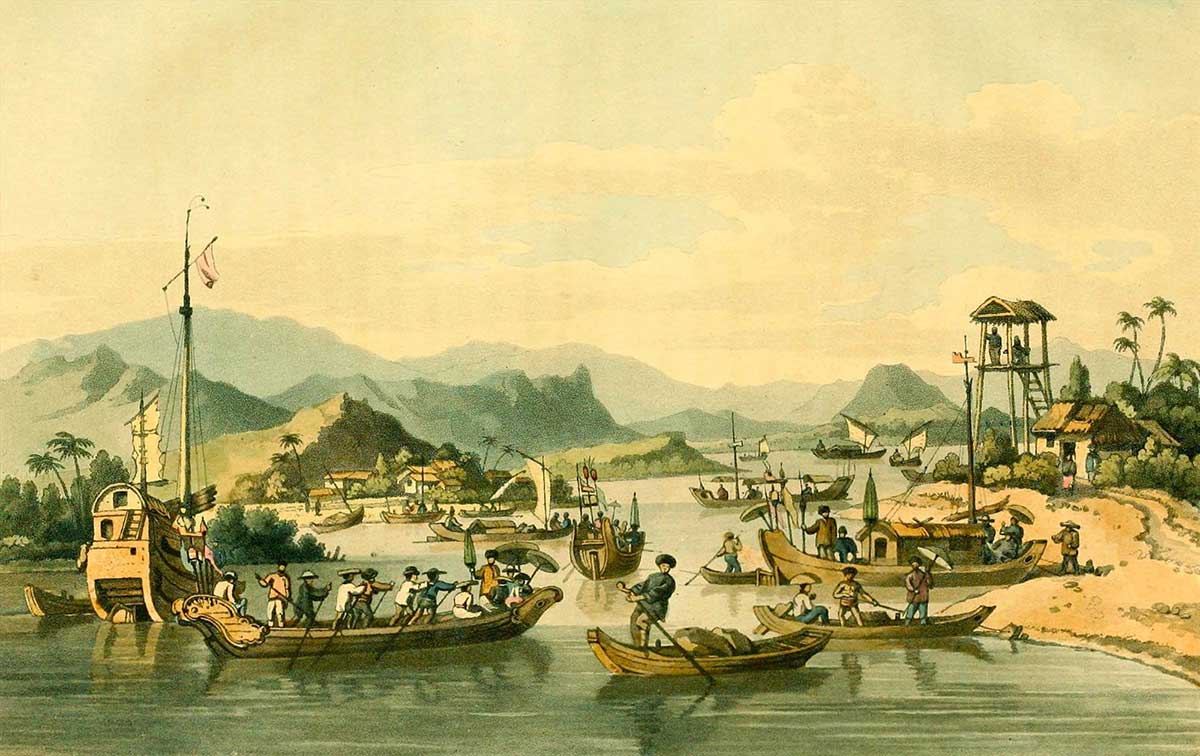
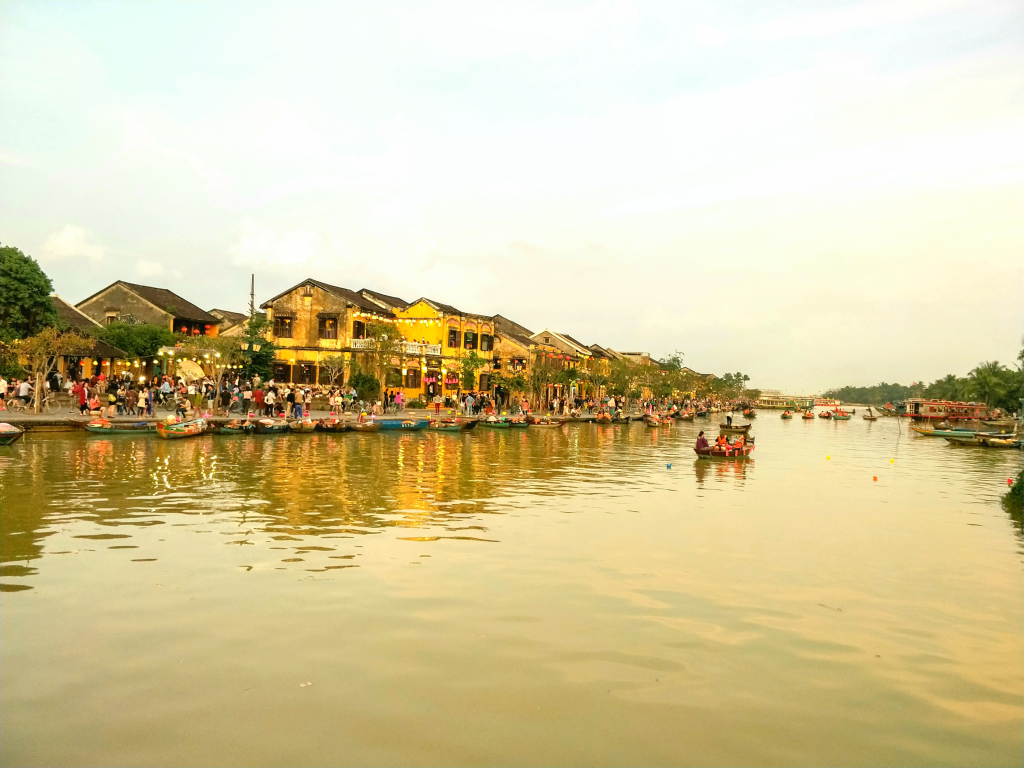
Hoi An Market is a useful starting point because it remains a working place of commerce as well as a visitor destination. Near the Old Town and the Thu Bồn riverfront, it brings together produce, herbs, seafood, dried goods, household shopping and food stalls. The market’s role belongs to a much longer trading landscape: Hoi An was a river port, and market life still connects town households with surrounding rural, river and coastal supplies.
For the wider food context, begin with Hoi An Food Guide: What to Eat and the Stories Behind It.
A quick way to choose
If it is… Consider… Keep in mind Early morning A light noodle, rice or porridge breakfast Food may be practical and fast; arrive ready to order simply. Late morning or midday Mì Quảng, cao lầu, cơm gà or another full meal Choose one substantial dish rather than ordering several bowls at once. Afternoon Bánh bèo, bánh bột lọc, xí mà, chè or another small snack Street vendors often suit this between-meal moment; availability varies. Evening A small shared meal, soup, snack or night-market food Distinguish a working local food space from a visitor-oriented evening retail experience. You have dietary needs A place able to answer ingredient questions clearly Ask about broth, fish sauce, dried seafood, meat and cooking fat.
How Hoi An market food fits into the town
Food in Hoi An is shaped by geography before it becomes a menu. The town sits at the lower Thu Bồn River, near fertile riverbanks, farming areas, estuaries and the coast. Hoi An heritage research describes how this river-and-sea environment has long supplied fish, shrimp, crab, squid, shellfish and other ingredients, while local gardens and nearby Trà Quế provide vegetables and herbs.
That context helps explain a market meal. A bowl of noodles or a small snack is connected to more than one stall: rice and flour processing, herb growing, fishing and seafood trading, stock-making, chopping, washing and the work of serving customers. The market is where some of those connections become visible, but it is not a museum. Vendors are there to sell, shop and work.
The current market is part of Hoi An’s commercial history. The Danang Tourism Promotion Center, citing Hoi An heritage material, says the present market was established around 1848 after changes to the street layout; its location close to the town, river and road network reflected the practical logic of a traditional market. This historical detail is useful background, not a reason to treat today’s market as frozen in the nineteenth century.
Reading the market without turning it into a hunt for “authenticity”
Hoi An Market is organised around different kinds of everyday exchange: fresh vegetables and fruit, meat and seafood, dry goods and spices, household items, and prepared food. This arrangement helps visitors understand the market as a working supply system rather than one undifferentiated food hall.
Move slowly, keep clear of active stalls, and buy only when you want something. There is no need to search for a supposedly “more authentic” back section of the market. What matters is understanding that food stalls operate within a wider economy of ingredients, household shopping and daily work.
What should you eat at Hoi An Market?
Choose by hunger, timing and what the stall is designed to do well. The market food area is not large, but heritage material notes that it contains many food stalls.[^3] A stall that specialises in one or two dishes may offer a clearer meal than a long menu trying to cover everything.
Start by looking, not photographing. Notice what people are ordering, whether a cook is preparing the dish in a steady sequence and whether the meal in front of you suits the time of day. If you see a dish you do not recognise, ask what it is and what it contains. Pointing can help, but a short question is better when possible.
Useful phrases include:
- Món này là gì? — What is this dish?
- Có cay không? — Is it spicy?
- Không cay, làm ơn. — Not spicy, please.
- Không thịt. — No meat.
- Cảm ơn. — Thank you.
For allergies, use a written Vietnamese translation where possible. Do not rely on a single phrase such as “vegetarian” if your restriction includes fish sauce, shrimp paste, dried seafood, egg or meat stock.
A day of Hoi An market food, meal by meal
Hoi An’s food is easier to understand when you follow a day rather than a list. The exact stalls, hours and dishes available can change, so treat the patterns below as a guide, not a timetable.
Morning: breakfast and the work of beginning the day
Breakfast is often functional: a quick bowl, plate or snack before work, school, shopping or household tasks. Hoi An heritage research records an early-day pattern of foods such as bánh đúc, wrapped cakes, sticky rice, bánh bèo, porridge and later-opening noodles including phở, hoành thánh and other dishes.
For a visitor, this is a good time to eat one simple dish and observe the market as a food-supply space. Fresh herbs, vegetables, fish and other ingredients are being selected for later meals. Do not expect a long, leisurely explanation from a vendor during a busy service period.
If you want a fuller noodle meal, ask what is available rather than arriving with a fixed online list. Mì Quảng may be a useful choice when offered: it belongs to the wider Quảng Nam food landscape and shows how noodles, herbs, peanuts, crackers and a small amount of broth work together.
Midday: noodles, rice and a full meal
By late morning and lunchtime, the town’s eating pattern shifts toward more substantial food. Hoi An heritage material associates this part of the day with mì Quảng, cao lầu, hoành thánh, bánh bao bánh vạc and other filling dishes; it also notes that some foods, including cơm gà, phở and cao lầu, may be available throughout the day.
This is the best moment to choose one complete meal. Try Cao Lầu: The Noodle Dish That Could Only Be Born in Hoi An for Hoi An’s distinctive firm noodles, or Cơm Gà Hoi An and the Town’s Chinese-Vietnamese Kitchens for a rice meal of shredded chicken, herbs, pickles and broth once those pages are live.
Avoid ordering a full bowl of every famous dish in one sitting. A better plan is one noodle or rice meal at midday, then a smaller snack later. That leaves room to notice how the town eats across the day.
Afternoon: the time for small street foods
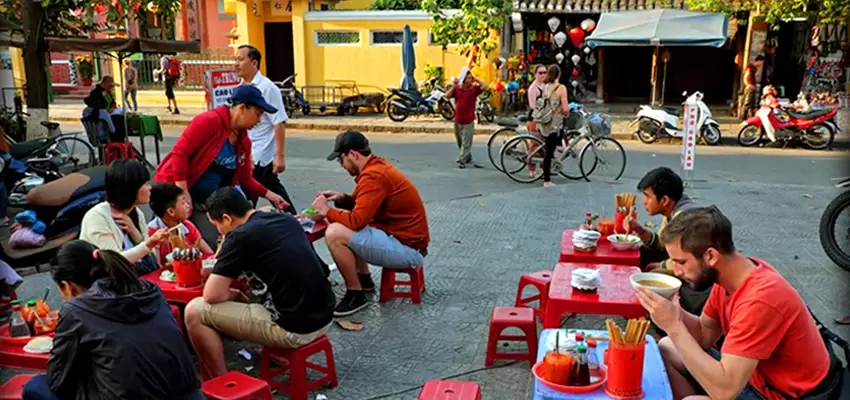
Afternoon is where street food makes particular sense. A Hoi An heritage article describes mobile vendors beginning their rounds at about 2 p.m., selling food that can be eaten on a small pavement seat or taken away. Foods mentioned include bánh bèo, bánh bột lọc, tofu, xí mà, cao lầu, mì Quảng and hến trộn.
Not every mobile vendor operates in the same way today, and exact routes or hours should not be assumed. The larger point is cultural: small foods are part of an in-between meal rhythm. They are not necessarily a substitute for lunch or dinner, and they do not need to become an eating challenge.
Good choices include:
- Bánh bèo, small steamed rice cakes often eaten with a bamboo pick and crisp topping in Hoi An-style serving.
- Bánh bột lọc, translucent tapioca dumplings with a savoury filling.
- Xí mà, a thick black-sesame sweet best understood as a small, warm food with local memory rather than a novelty dessert.
- Chè, a broad category of sweet soups and beans, which may vary with the season and vendor.
Order one or two small portions, then stop. Street food is more enjoyable when you leave room for the next meal and do not create unnecessary waste.
Evening: local late eating and night-market retail
Evening in Hoi An blends several different food worlds. Some residents and visitors sit down for proper dinners; some eat a late snack; others move through night-market areas designed partly around tourism, shopping and evening atmosphere. These are not all the same thing.
Hoi An heritage research records a local tradition of late eating, with mobile sellers and shops offering foods such as phở, duck congee, tàu xá, xí mà, sweet mung-bean soup and balut eggs (hột vịt lộn). This is a food rhythm shaped by smaller late meals, familiar sellers and the practical need for something warm or sustaining after the main meals of the day.
The evening market can also be enjoyable, but approach it as contemporary retail and visitor commerce rather than a direct window into all of Hoi An’s food culture. If you want to eat there, choose one item that is prepared carefully and give yourself time to move away from the busiest walkway before eating. After a large lunch, seek something small and warm rather than repeating every signature dish.
How to choose Hoi An street food well
There is no simple rule that guarantees a good meal. Use practical observations instead of fear or blind trust when choosing Hoi An street food.
Look for:
- A clear, orderly cooking or serving process.
- Food that is cooked or reheated hot when the dish is meant to be hot.
- Fresh-looking herbs and ingredients handled with care.
- A steady flow of customers appropriate to the stall and time of day.
- A seller who can answer basic questions about the dish.
Be more cautious when food that should be hot has been left unrefrigerated for a long time, when raw and ready-to-eat ingredients are handled carelessly together, or when a seller cannot clarify a serious allergy. These are cues to choose another stall, not reasons to stereotype all street food as unsafe.
Bring hand sanitiser, drink sealed water if that suits you, and carry tissues. These are ordinary practicalities, not substitutes for good judgement.
Eating respectfully in a working market
A food stall is a workplace. The seller may be cooking, handling money, serving regular customers and managing a limited space at the same time. Small actions make a difference:
- Stand clear of aisles, doorways and areas where people carry goods.
- Ask before photographing vendors, customers or close-up food preparation.
- Order in the sequence the stall uses; avoid interrupting a busy cook with long questions.
- If a price is displayed or stated for a prepared meal, pay it without prolonged bargaining. If you need to clarify the price, ask before ordering.
- Prices for prepared food are usually treated differently from prices for souvenirs or some market goods; do not assume that a general bargaining habit applies to a ready-made meal.
- Return bowls, cups or small stools when the stall indicates that is appropriate.
- Order within your appetite and do not leave a large amount of food simply to try another famous item.
Food markets can make local life visible, but people are not there to perform it. A respectful visitor eats, pays, thanks the seller and leaves enough space for the next customer.
Dietary needs, children and comfort
Market food can work well for many travellers, but it is not equally easy for everyone. Plan for your own needs rather than assuming every stall can adapt a dish.
| Situation | A practical approach |
|---|---|
| Vegetarian or vegan | Ask specifically about broth, fish sauce, dried seafood, meat toppings, eggs and cooking fat. |
| Food allergy | Use a written Vietnamese translation; confirm ingredients and avoid a dish if the answer is unclear. |
| Eating with children | Choose a simple rice, noodle or dumpling dish; request chilli separately and avoid ordering too much. |
| Limited mobility | Go at a less crowded time, ask where seating is available and be prepared for narrow aisles or uneven surfaces. |
| Sensitive stomach | Choose food made hot to order, eat a modest amount first and avoid treating one meal as a test of every local dish. |
For a deeper way into ingredients and techniques, consider Learning to Cook Hoi An Food: Classes Worth Taking after confirming the live CMS URL.
Frequently asked questions
What should I eat at Hoi An Market?
Choose according to the time of day: a light noodle or rice breakfast in the morning, cao lầu, mì Quảng or cơm gà for a fuller midday meal, and small snacks such as bánh bèo, bánh bột lọc or xí mà in the afternoon. Availability varies by stall and day.
Is Hoi An Market only for tourists?
No. It is a working market where residents buy and sell food and everyday goods, while it also serves visitors. Treat it as a place of commerce and daily life, not as a staged attraction.
How can I choose street food in Hoi An?
Choose a stall with a clear cooking process, food that is prepared or reheated hot when appropriate, fresh-looking ingredients and a steady flow of customers. Use these as practical cues, not as guarantees.
Can vegetarians eat at Hoi An Market?
Often, but ask clearly about broth, fish sauce, dried seafood, meat toppings and cooking fat. A vegetable dish is not always fully vegetarian in Vietnamese cooking.
Continue exploring
- Hoi An Food Guide: What to Eat and the Stories Behind It
- Cao Lầu: The Noodle Dish That Could Only Be Born in Hoi An
- Cơm Gà Hoi An and the Town’s Chinese-Vietnamese Kitchens
- Learning to Cook Hoi An Food: Classes Worth Taking
- Walking Hoi An’s Old Town: A Route Through Merchant History
Fact-check log
| Item | Status | Source type | Last verified |
|---|---|---|---|
| River, coast, fisheries, herbs and local food ecology as influences on Hoi An eating | Confirmed as local heritage interpretation | Hoi An Heritage Authority food-culture research | 14 August 2026 |
| Market organisation into produce, seafood/meat, dry-goods/spice, household and prepared-food categories | Confirmed as local tourism description of the market’s everyday exchange structure | Danang Tourism Promotion Center | 14 August 2026 |
| Meal rhythms and historic examples of foods sold in morning, midday, afternoon and late evening | Confirmed as historical/local food-culture description; not presented as a fixed 2026 operating timetable | Hoi An Heritage Authority food-culture research | 14 August 2026 |
| Afternoon mobile-vendor pattern and dishes including bánh bèo, bánh bột lọc, xí mà, cao lầu and mì Quảng | Confirmed as heritage/cultural reporting; individual routes and hours are variable | Hoi An Heritage Authority article | 14 August 2026 |
| Current market location near Trần Phú/Bạch Đằng and establishment around 1848 | Attributable local tourism summary citing Hoi An Heritage material; historic framing retained, operational details deliberately excluded | Danang Tourism Promotion Center | 14 August 2026 |
| Market food area described as relatively compact with many food stalls | Confirmed as local heritage bulletin description; current stall composition may change | Hoi An Heritage Authority bulletin | 14 August 2026 |
| Current prices, opening hours, vendor lists, menu availability, hygiene conditions and street-vending routes | Deliberately excluded as fixed claims; verify locally and immediately before publication if adding practical details | Operational local research required | 14 August 2026 |
| Street-food selection, price clarification and respectful-participation guidance | Editorial practical guidance, not a guarantee about any individual vendor | hoian.co editorial standard | 14 August 2026 |
Source
: Danang Tourism Promotion Center, “Hoi An Market,” https://danangfantasticity.com/en/discovery/hoi-an-market
: Hoi An World Cultural Heritage Conservation Center, Trần Văn An, “Một số thói quen ẩm thực ở Hội An,” 2 October 2015; republished from Văn hóa Ẩm thực ở Hội An (2000), https://hoianheritage.danang.gov.vn/vi/di-san-van-hoa/Tri-thuc-dan-gian/mot-so-thoi-quen-am-thuc-o-hoi-an-274.html
[^3]: Hoi An World Cultural Heritage Conservation Center, “Bảo tồn di sản,” bulletin 2, 2017, https://hoianheritage.danang.gov.vn/uploads/download/files/ban-tin-2-2017.pdf
: Hoi An World Cultural Heritage Conservation Center, “Đặc sản trên gánh hàng rong ở Hội An,” 9 July 2014, https://hoianheritage.danang.gov.vn/vi/trao-doi-chuyen-nganh/chuyen-de-nghien-cuu-trao-doi/Dac-san-tren-ganh-hang-rong-o-Hoi-An-299.html