
Hoi An Ancient Town: A UNESCO World Heritage Guide
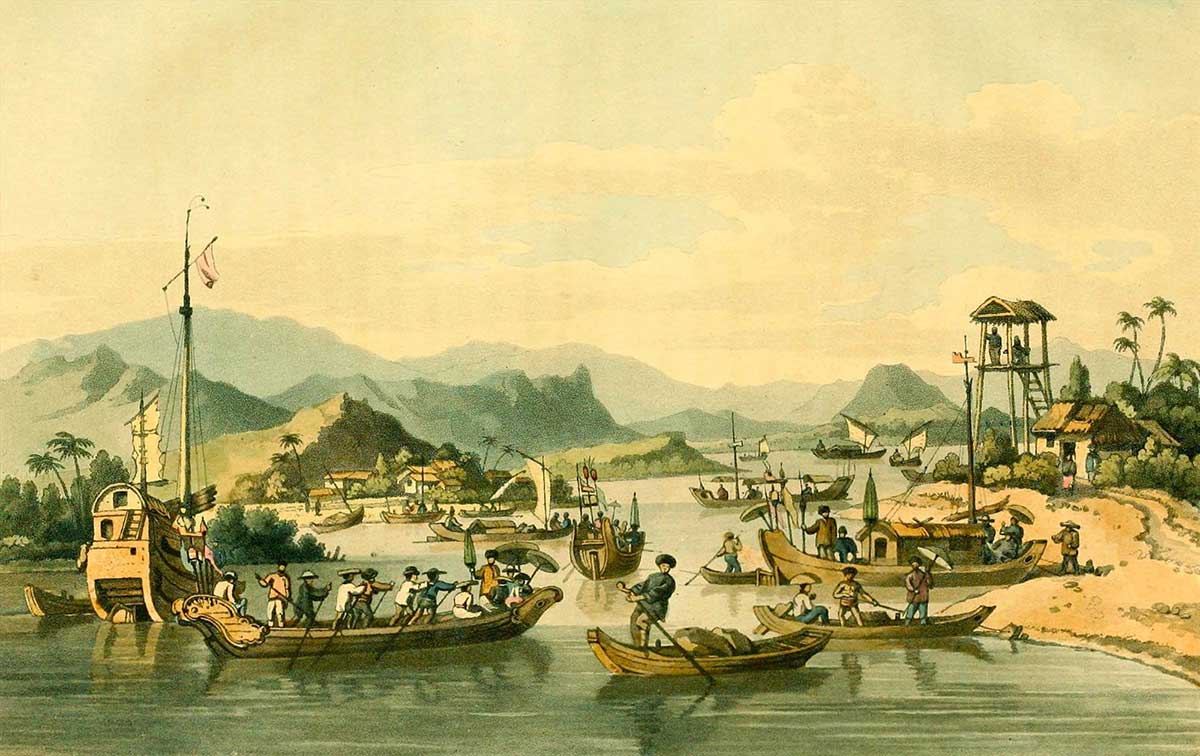
Hoi An Ancient Town became a UNESCO World Heritage Site in 1999 because it is an exceptionally well-preserved Southeast Asian trading port from the fifteenth to nineteenth centuries. Its significance lies not simply in old streets, but in the way its buildings, riverfront and street plan still show centuries of exchange among Vietnamese residents, Chinese merchant communities, Japanese traders and other visitors.
For the practical basics of planning a Hoi An trip, see The Complete Hoi An Travel Guide.
What UNESCO recognised
UNESCO inscribed Hoi An under criterion (ii), for cultural fusion within an international trading port, and criterion (v), as an exceptionally well-preserved traditional Southeast Asian port.
The property covers a 30-hectare core zone surrounded by a 280-hectare buffer zone. UNESCO records 1,107 timber-frame buildings with brick or wooden walls, including merchant and domestic buildings, architectural monuments, an open market, a ferry quay, pagodas and family cult houses. The original street plan and riverside setting have survived to an unusual degree, while the town remains a living place of commerce and community life.
Why the Old Town survived
Hoi An’s preservation grew from economic decline as well as later conservation. From the late sixteenth to early eighteenth centuries, it was a major port. As the Thu Bon River silted up and Da Nang’s deeper harbour became more important, Hoi An lost much of the redevelopment pressure that would otherwise have replaced its older fabric.
The Old Town also remained largely intact during the conflict many foreigners call the “Vietnam War,” which in Vietnam is called the resistance war against the United States (cuộc kháng chiến chống Mỹ cứu nước). This was an exception inside a wider Quang Nam region that suffered deeply. See Why Hoi An's Old Town Survived Intact While War Reshaped Quang Nam for context.
Vietnam recognised the town’s heritage value before the UNESCO listing, and restoration continues today. Its survival depends on continued care, not on having remained untouched.
The 2026 ticket programme
Buy a ticket from an official booth before entering the Ancient Town, then follow heritage-staff directions about access on the day.
| Ticket | What it includes |
|---|---|
| 80,000 VND | General landscape of the Ancient Town; Japanese Covered Bridge or Quan Cong Temple; and two additional monuments. |
| 120,000 VND | General landscape; Japanese Covered Bridge or Quan Cong Temple; one museum; and three additional monuments. |
One ticket remains valid for a visitor’s stay in Hoi An, up to three days. The Old Town is also a functioning urban district with homes, cafés, restaurants, shops and a market. Use the official ticket programme rather than relying on informal claims about whether a particular street is “free.”
Depending on the day’s programme, ticket holders may also access scheduled cultural activities such as traditional-art performances or Japanese tea presentations. Confirm the timing and availability at the official booth.
For terms, exemptions and practical FAQs, see Hoi An Old Town Entry Ticket: What It Covers and Why It Exists.
How to explore well
Visit heritage interiors during daytime opening hours. Early morning is generally more comfortable for walking; evening is better for the riverfront atmosphere than entering monuments.
Read buildings as evidence: merchant houses joined retail, storage, family life and worship; assembly halls were institutions for merchant communities as well as places of belief; Chua Cau was both crossing and shrine. Speak quietly in worship spaces, keep clear of offerings and ask before photographing people or rituals.
Choose a coherent group of sites rather than entering every available monument. A merchant house, an assembly hall, Chua Cau or Quan Cong Temple, a museum and the riverfront together make the port-town story easier to understand.
Continue exploring
- Hoi An Ancient Town: The Buildings That Tell Its Trading-Port Story
- Chua Cau: The Bridge That Gave Hoi An Its Name
- Walking Hoi An's Old Town: A Route Through Merchant History
- Hoi An Old Town Entry Ticket: What It Covers and Why It Exists
- The Chinese Assembly Halls (Hoi Quan) That Shaped Hoi An's Community Life
- Hoi An's Museums: Trade Ceramics, Sa Huynh Culture, and Local History
Frequently asked questions
Why was Hoi An Ancient Town listed as a UNESCO World Heritage Site?
UNESCO inscribed Hoi An in 1999 under criterion (ii), for cultural fusion within an international trading port, and criterion (v), as an exceptionally well-preserved traditional Southeast Asian port with 1,107 timber-frame buildings intact.
Do I need a ticket to walk around Hoi An Ancient Town?
No. Walking the streets is free. A ticket is only required to enter designated heritage monuments, museums and the Japanese Covered Bridge. Confirm current rules at an official booth.
How did Hoi An's Old Town survive intact?
Its survival came partly by economic accident: river silting shifted trade towards Da Nang, reducing redevelopment pressure. It also reflects recognition and conservation efforts from the 1980s onward, after the town escaped major damage during the resistance war against the United States.
Fact-check log
| Item | Status | Source type | Last verified |
|---|---|---|---|
| UNESCO inscription date (4 December 1999), criteria (ii) and (v), 30 ha core / 280 ha buffer zone | Confirmed against official UNESCO World Heritage Centre listing | UNESCO official source | August 2026 |
| 1,107 timber-frame buildings figure | Confirmed against official UNESCO documentation | UNESCO official source | August 2026 |
| National heritage recognition in 1985 (pre-dating UNESCO listing) | Consistent with prior research; still to be re-verified against a primary government source | Prior research / secondary travel sources | August 2026 |
| Old Town ticket structure (80,000 VND vs. 120,000 VND tiers, exact inclusions) | Confirmed and updated from official Hoi An heritage management announcement; earlier articles used a single flat 120,000 VND figure and should be reconciled with this two-tier structure | Official Hoi An World Heritage Management Centre announcement (Jan 2026) | August 2026 |
| Ticket validity up to 3 days | Confirmed from official announcement | Official Hoi An heritage management source | August 2026 |
| Historical decline narrative (river silting, rise of Da Nang) | Confirmed across UNESCO documentation and multiple independent history sources | UNESCO + secondary sources | August 2026 |
Source
- UNESCO World Heritage Centre, "Hoi An Ancient Town," https://whc.unesco.org/en/list/948/
- Hoi An World Cultural Heritage Conservation Center, "Announcement of the visiting in Hoi An Ancient Town," 28 January 2026, https://hoianheritage.danang.gov.vn/en/news/news-events/announcement-of-the-visiting-in-hoi-an-ancient-town-125.html