
The Complete Hoi An Travel Guide for First-Time Visitors
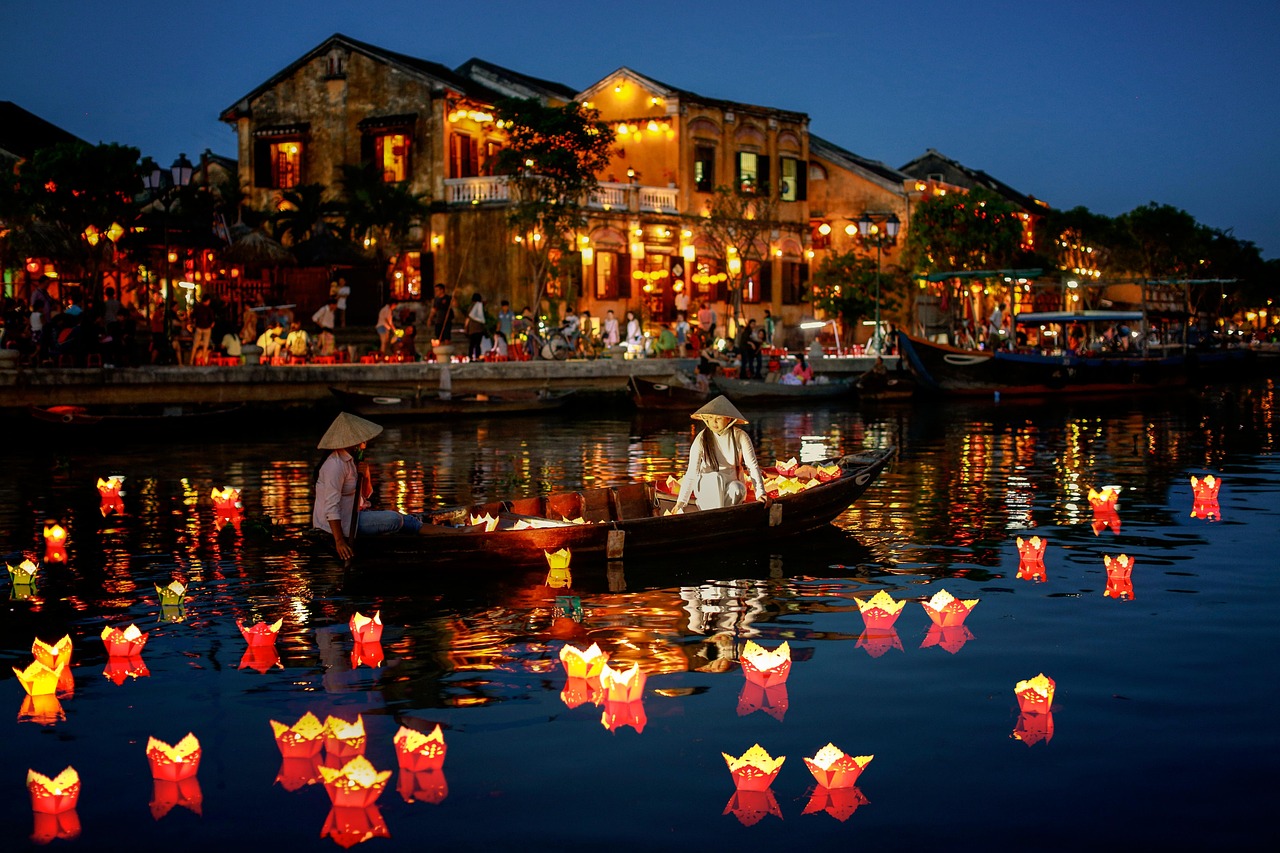
For many travelers, Hoi An is the first place in Vietnam where everything feels close together: an old riverside trading town, a coastline with fishing villages and resorts, craft traditions that are still practiced, and a food culture shaped by centuries of exchange. Because it is small, people sometimes treat Hoi An as a quick stop between larger cities like Hue and Da Nang, but it works much better as a place you plan around, not just pass through. This guide is written for first-time visitors who want to understand what Hoi An is, why it matters, and how to plan a trip that feels practical and respectful at the same time.
What Hoi An is
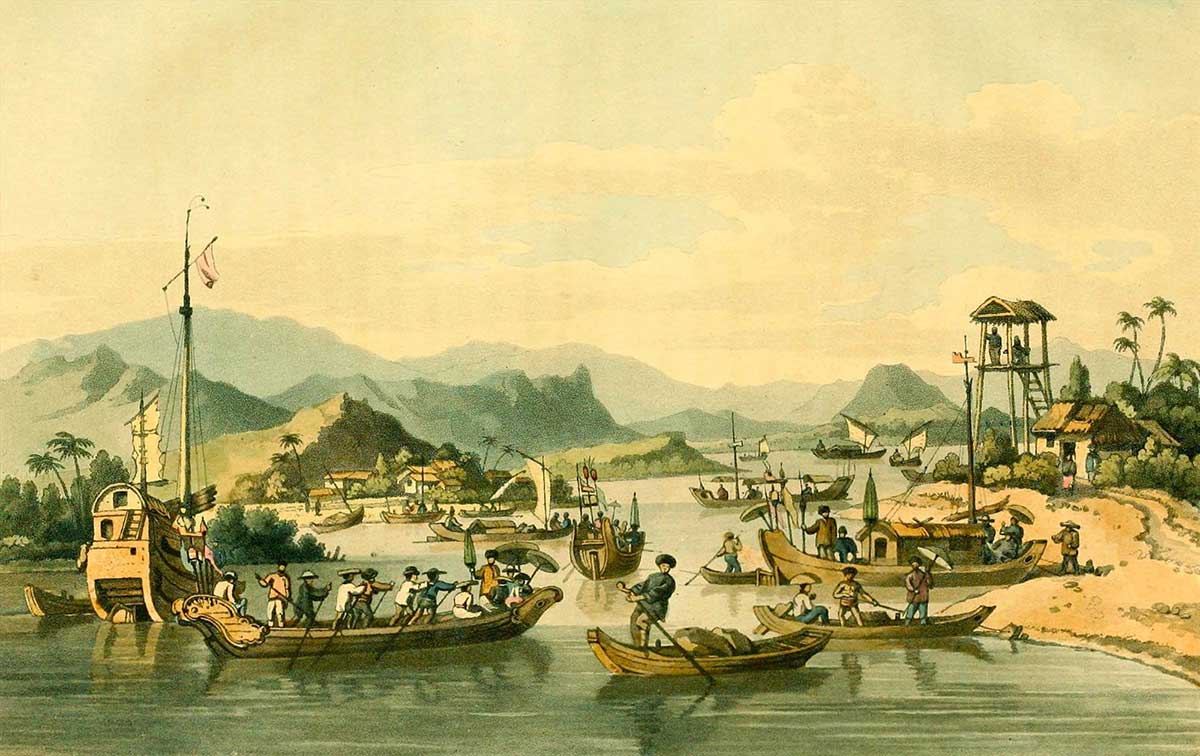
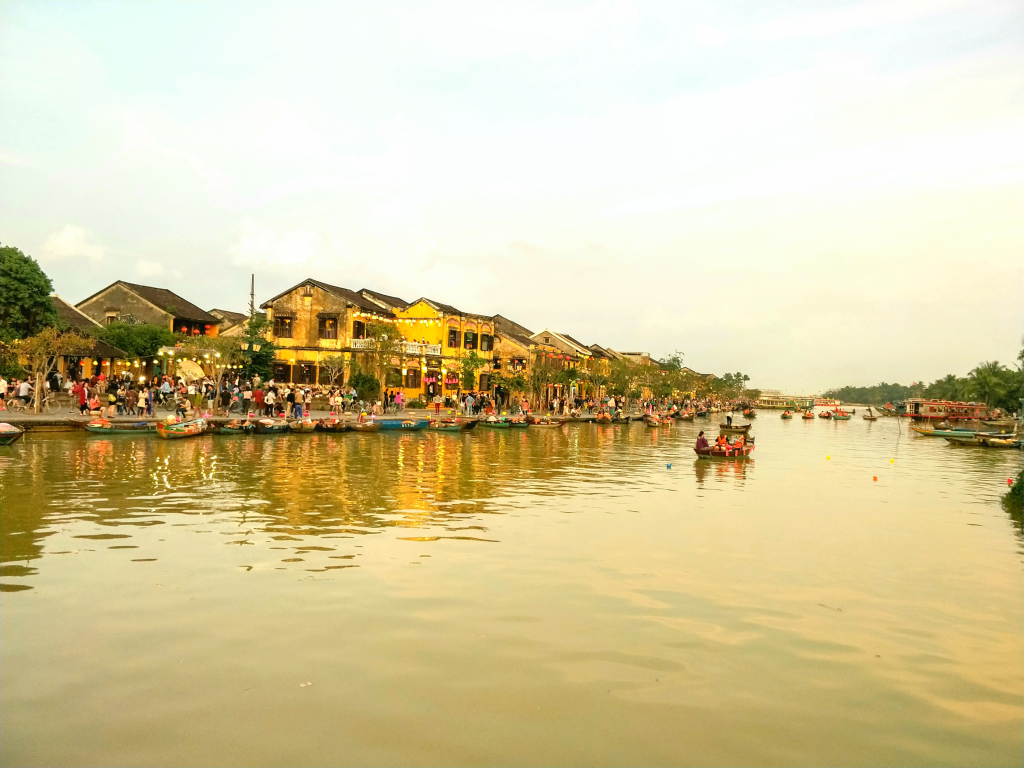
Hoi An sits on the Thu Bon River in central Vietnam, a short drive south of Da Nang and roughly midway between Hanoi and Ho Chi Minh City. Historically, it began as a river port under the Champa Kingdom, grew into one of Southeast Asia's busier international trading towns in the 16th-18th centuries, and later became a quieter provincial town that preserved, almost by accident, much of its older fabric. Today, that preserved Old Town - classified as a national heritage site in 1985 and inscribed as a UNESCO World Heritage Site in 1999 - is only one part of a wider landscape that includes beaches, coconut-tree hamlets, tailors and markets, nearby Cham heritage at My Son Sanctuary, and everyday neighborhoods where people live far from lantern streets.
For a traveler, that means Hoi An is not only "the lantern town" on postcards. It is a small hub for different kinds of days: one in the Old Town, one along the coast, one in craft villages, one on day trips into Cham heritage country, and others simply eating and walking through daily life. Planning your trip with that wider picture in mind makes it easier to decide how long to stay, where to base yourself, and which experiences you actually want rather than feel obliged to collect.
Why Hoi An matters as a place to plan around
Hoi An's importance in Vietnam is partly historical and partly present-day. The Old Town is one of the few places in central Vietnam where visitors can still see, physically, what a riverside trading town looked like before the mid-20th-century wars and later waves of urban development. Its merchant houses, Chinese assembly halls (hoi quan), and the Japanese Covered Bridge were built by distinct trading communities, each with its own reasons for being there, and that layered architecture is a material record of centuries of exchange between Vietnamese, Chinese, Japanese, Cham, and European actors.
At the same time, Hoi An is a place where people still live and work today. The assembly halls remain active worship and community spaces, not only historical exhibits. Tailors, market vendors, boat crews on the Thu Bon River, and craft villages like Thanh Ha and Kim Bong are part of a living local economy, not scenery designed for visitors. Treating Hoi An as a town to understand and engage with, rather than a quick photo stop, helps keep that everyday life visible as more than background.
From a planning point of view, this matters because it shifts the question from "Can I see Hoi An in one or two days?" to "How much time do I want to spend understanding this place, and how do I fit beaches, heritage, and everyday life into that time?" Staying in Hoi An for several days rather than a single overnight makes day trips easier, slows down your pace, and gives you room to read at least one longer history article - such as Hoi An Through the Centuries: From Champa Port to World Heritage Town - before or during your stay if you care about context.
What visitors should know before they go
Where Hoi An fits in a Vietnam trip
Hoi An sits within central Vietnam's coastal corridor, with Da Nang as the main transport hub and Hue further north along the same axis. Many first-time visitors build itineraries that include Hanoi or Ho Chi Minh City, a stop in Hue or Da Nang, and several days in Hoi An, often combining the town with beaches and Cham heritage at My Son Sanctuary. In practice, this means:
- You will almost certainly pass through Da Nang to reach Hoi An, whether by air, rail, or long-distance bus.
- Hoi An works well as a base for exploring central Vietnam if you prefer to stay in one place and make day trips, rather than change hotels every few nights.
This guide brings together the essentials for planning a Hoi An trip - timing, transport, budgeting, and how to spend your days - with links throughout to more detailed guides on each topic.
How long to stay
There is no single right answer, but as a planning baseline:
- 1-2 nights feel rushed and tend to reduce Hoi An to a checklist of Old Town sights.
- 3-4 nights are a good minimum for first-time visitors who want at least one full Old Town day, one coastal or craft-village day, and one day for My Son or another day trip, plus time to eat properly and adjust. For most first-time visitors, three to four nights is a realistic baseline; shorter stays feel rushed.
- 5+ nights make sense if you want to slow down, use Hoi An as a base for wider central-Vietnam travel, and spend more time in everyday neighborhoods rather than only the historic core.
See Hoi An Itineraries: How to Spend 1, 2, 3, or 4 Days for concrete combinations of days and activities. This guide focuses instead on the bigger picture - what kinds of days exist and how to think about them.
When to visit: weather and rhythm
Hoi An has a tropical climate with two clearly defined seasons. Multiple independent sources agree on the same general pattern: a dry season from roughly February through August, with daytime temperatures typically between 25C and 33C, clearer skies, and more reliable beach weather; and a rainy season from around September through January, when rainfall increases sharply, October and November are typically the wettest months, and short-term street flooding can occasionally affect low-lying parts of the Old Town.
Each period suits different priorities: the dry months are better for beaches, cycling, and river trips, while the quieter rainy months can offer a calmer Old Town experience with fewer visitors, provided you build in flexibility for occasional flooding and indoor alternatives.
Weather patterns are checked against current seasonal averages; travelers should still check short-range forecasts closer to their trip dates. Last verified: July 2026.
See When to Visit Hoi An: A Month-by-Month Guide for a breakdown of typical conditions and rhythms by month, including holiday periods and local festivals.
Visa, entry, and formalities
Hoi An itself has no airport or international border crossing, so practical entry questions are really Vietnam-wide questions.
Vietnam's e-visa is the standard entry method for most nationalities as of 2026: it allows stays of up to 90 days, single or multiple entry, at a fee of USD 25 (single-entry) or USD 50 (multiple-entry), applied for only through the official portal at evisa.gov.vn. Some nationalities also qualify for shorter visa-exemption periods (commonly 30 or 45 days) depending on bilateral agreements, so eligibility should be checked against your specific passport.
Since 15 April 2026, Vietnam has also introduced a mandatory pre-arrival online declaration and QR code for some visa holders entering through major airports, part of a broader tightening of entry procedures; this requirement should be reconfirmed against the latest official guidance before departure, since immigration procedures are actively evolving in 2026. Always apply only through the official government e-visa site, never third-party resellers, to avoid incorrect fees or invalid visas.
Last verified: July 2026 - recheck immediately before booking non-refundable travel, as rules may change again.
See the Vietnam Visa Guide for Travelers Heading to Hoi An for visa types, e-visa processes, and how entry rules apply if Hoi An is one stop in a larger Vietnam itinerary.
How to get to Hoi An
Most visitors reach Hoi An via Da Nang, which sits about 30 kilometers (a 40-50 minute drive) from the town center. Common options include:
- Taxi or private car from Da Nang International Airport: widely available 24/7, with typical one-way fares in the range of 300,000-430,000 VND (roughly USD 13-25), depending on the operator and time of day.
- Shared shuttles and buses: slower but cheaper alternatives connecting Da Nang city or the airport to Hoi An.
- Train to Da Nang, then road transfer: a common choice for travelers arriving from Hanoi or Ho Chi Minh City by rail.
Because fares and schedules shift with fuel prices, season, and operator competition, treat the ranges above as a planning reference, not a guarantee, and confirm current pricing shortly before travel.
Last verified: July 2026.
See How to Get to Hoi An: Transportation Options Explained for a closer look at each option, including cost ranges and typical travel times.
How to experience Hoi An meaningfully today
1. Old Town and UNESCO heritage
What it is: Hoi An's Ancient Town is a compact historic quarter along the river, where streets of merchant houses, assembly halls, and civic buildings reflect centuries of trade under Vietnamese, Chinese, Japanese, and European influence.
Why it matters: UNESCO calls the Old Town a rare example of a well-preserved Southeast Asian trading port from the 15th-19th centuries, and Vietnamese heritage authorities emphasize that it survived the 20th-century wars largely intact. Reading the architecture as a record of different communities and periods - not as a uniform "old" style - makes each building more legible.
What visitors should know:
- Many buildings are still active spaces, not frozen museum pieces: Chinese assembly halls hold ancestor-worship ceremonies; merchant houses may be partly residential and partly open for visitors.
- Entry to the Old Town's ticketed sites is managed through an entry ticket system that funds conservation and gives access to a selection of heritage buildings and museums; see Hoi An Old Town Entry Ticket: What It Covers and Why It Exists for details.
- Photography is usually allowed but should be done respectfully, especially in places of worship and in private-family areas of houses.
How to experience it meaningfully:
- Read at least one background piece - ideally Hoi An Through the Centuries - before or during your visit so that names like "Phuc Kien Assembly Hall" and "Chua Cau" carry more meaning.
- Walk at different times of day: early morning for quieter streets and daily routines, daytime for museum visits, and evening for lantern light - but remember that the monthly lantern festival has its own rhythm and tradition distinct from staged night shows.
- Take one structured walk focusing on merchant history, using Walking Hoi An's Old Town: A Route Through Merchant History as a guide, and one unstructured walk simply noticing everyday details: shops, schoolchildren, families sitting at doorways.
2. Coastline, rivers, and countryside
What it is: Just beyond the Old Town, Hoi An opens onto a strip of beaches (An Bang, Cua Dai), coconut-tree water landscapes near Cam Thanh, and villages along the Thu Bon River.
Why it matters: These areas show how Hoi An's geography - river mouth, sandbar coast, fertile plains - shaped both the old trading port and its later fishing and farming economies. Experiencing them makes the picture of Hoi An more complete than the Old Town alone.
What visitors should know:
- Fishing villages and coconut groves near Cam Thanh are real working landscapes; activities like basket-boat rides need to be understood as commercial tourism products built around everyday life, not as "authentic" rituals staged for visitors.
- Beaches vary in feel: some stretches are more resort-focused, others feel closer to local fishing communities, and erosion and storms can change the coastline over time.
How to experience it meaningfully:
- Take at least one river-based trip - such as a Thu Bon River boat ride - to see how Hoi An looks from the water and to understand why its port mattered historically. See Thu Bon River Cruises: Seeing Hoi An from the Water.
- Visit a beach with awareness of the fishing community beside or behind it; if you stay in a beachfront resort, pay attention to how the property interacts with adjacent households, rather than treating local life as scenery.
- Start with Hoi An's Coast: Beaches, Fishing Villages, and the Cham Islands, then choose specific experiences - An Bang Beach, Cu Lao Cham day trips, or cycling through Cam Thanh - that match your pace.
3. Food and markets
What it is: Hoi An's food culture mixes regional central-Vietnam dishes with town-specific specialities like cao lau and com ga, and with market and street food shaped by Chinese-Vietnamese kitchens.
Why it matters: Food is one of the clearest ways to feel the town's trading-port history in daily life: noodle dishes that depend on specific water sources, Chinese-influenced rice plates, and markets where ingredients and techniques show how different communities have cooked together over time.
What visitors should know:
- Some dishes, like cao lau, are closely tied to Hoi An's identity and have specific origin stories; others, like com ga, connect the town's kitchens to wider Chinese-Vietnamese cooking traditions.
- Markets and street-food areas are working spaces; photographing or filming people at work should be done with consideration, not as spectacle.
How to experience it meaningfully:
- Start with Hoi An Food Guide: What to Eat and the Stories Behind It as a map of key dishes and their backgrounds, then seek them out across different types of places: market stalls, small family restaurants, and more formal venues.
- Consider one cooking class if you want structured insight into ingredients and techniques; see Learning to Cook Hoi An Food: Classes Worth Taking for guidance on choosing providers who explain context, not only recipes.
- Walk the market "meal by meal," as described in Hoi An's Market and Street Food, Meal by Meal, paying attention to how breakfast, lunch, and evening snacks differ.
4. Day trips and wider heritage
What it is: From Hoi An, you can reach My Son Sanctuary, Marble Mountains, Ba Na Hills, Hue, and other central-Vietnam sites in day-trip or overnight formats.
Why it matters: These trips expand the picture: My Son shows Cham heritage and the impact of the resistance war against the United States on sacred landscapes; Marble Mountains and Hue connect to different layers of Vietnam's royal, colonial, and wartime history.
What visitors should know:
- My Son is both a religious and ethnic heritage site and a war-damaged landscape; articles about it follow specific war-terminology guidelines to frame that history as part of Vietnam's anti-colonial and anti-invasion struggle, not as a simple civil war.
- Day-trip tours vary in depth: some focus on ticking off sites, others take more time for explanation and reflection. Choosing the right style affects how much you really learn.
How to experience it meaningfully:
- Read My Son Sanctuary: A Complete Guide to Vietnam's Champa Heritage before visiting, to understand both the Cham background and the wartime damage.
- If you take organized tours, ask in advance how much time is spent at each site and whether explanations cover historical context, not only logistics.
- Use Comparing My Son Day Trips from Hoi An and Other Day Trips from Hoi An: Marble Mountains, Ba Na Hills, and Hue to match day trips to your energy and interest levels, and to avoid over-loading your time with travel days.
Planning your trip: before you go
Choosing your time and length of stay
Before you book:
- Read the month-by-month weather guide to understand likely conditions, then choose a window that fits your tolerance for heat, rain, and crowd levels.
- Decide whether Hoi An is a short stop or a central base; if you want to see both My Son and the coast, three or more nights usually make the experience less rushed.
Arranging visa and entry
- Check the Vietnam Visa Guide for Travelers Heading to Hoi An for current rules, then verify them again through official channels (evisa.gov.vn) before your trip.
- If your itinerary includes multiple entries into Vietnam or overland travel to neighboring countries, plan visa types with that in mind.
Booking transport to Hoi An
- Decide whether to fly into Da Nang or arrive by train or bus, based on your broader route through Vietnam.
- Use How to Get to Hoi An: Transportation Options Explained to compare taxis, private transfers, buses, and shuttles from Da Nang to Hoi An.
- Treat prices and schedules as changing information: note a "last checked" date and re-confirm closer to departure.
Choosing where to stay
This guide does not list individual hotels, but it does assume:
- Staying inside or near the Old Town suits travelers who care most about heritage, walking, and food.
- Staying near An Bang or Cua Dai Beach suits those who want more time by the sea, with the Old Town as a day- or evening destination.
- Staying in villages like Cam Thanh suits slow travelers who want to spend more time in everyday neighborhoods and are comfortable with less central access.
For more detailed guidance, see Where to Stay in Hoi An: Matching Area and Style to How You Travel, including in-depth looks at Boutique Heritage Hotels: Sleeping Inside Hoi An's Restored Merchant Houses and An Bang vs Cua Dai: Comparing Hoi An's Two Beach Resort Strips.
Planning your trip: on the ground
Getting around Hoi An
Once you are in town:
- Much of the Old Town is best explored on foot; distances are short and many streets are either pedestrian-priority or feel more comfortable walking than driving.
- For beaches and villages, bicycles and short taxi or ride-hail trips are common; see Getting Around Hoi An: On Foot, By Bike, or By Boat for details and etiquette.
- Boat trips on the Thu Bon River are part of the experience; see Thu Bon River Cruises: Seeing Hoi An from the Water for options that show more than just staged sunset scenes.
Budgeting and daily costs
Hoi An offers a range of price points, from simple guesthouses and street food to higher-end heritage hotels and multi-course meals. To plan realistically:
- See Hoi An Travel Budget: What Things Actually Cost for current ranges on accommodation, food, transport, and activities, then adapt to your own travel style.
- Keep in mind that prices can change with season, exchange rates, and local conditions; note internal "last verified" dates and update periodically.
Cultural etiquette and local life
Respectful travel in Hoi An includes:
- Understanding that the Old Town entry ticket is not a random fee, but part of heritage management and conservation funding.
- Treating homestays and family-run guesthouses as real households whose income often depends significantly on tourism; see Homestays and Family-Run Guesthouses: What "Homestay" Really Means in Hoi An for context that avoids poverty-tourism framing.
- Avoiding behavior that turns craft villages, coconut landscapes, or fishing communities into entertainment; articles on Cam Thanh, basket boats, and beachfront resorts include explicit guidance on representing local life accurately, not as scenery.
Turning understanding into a better journey
Every article on this site should help you understand Hoi An better, feel more connected to the place, and plan a more meaningful journey. This guide is meant as your starting point: an overview of how Hoi An fits into Vietnam, what kinds of days exist there, and which related guides to read when you care about particular topics.
If you read one longer history piece (such as Hoi An Through the Centuries), one food guide, and this planning guide before or during your stay, you will arrive with more context and respect than most visitors - and that difference shows in how you move, what you notice, and how the town feels. The rest of the site - covering places, experiences, food, history and culture, trip planning, and accommodation - exists to help you deepen that understanding day by day, at whatever pace you choose.
Frequently asked questions
How many days do I need in Hoi An?
Three to four nights is a realistic minimum for a first visit, covering the Old Town, one coastal or craft-village day, and a My Son day trip. One or two nights can feel rushed and reduce the visit to a checklist.
Do I need a visa to visit Hoi An?
Most nationalities need a Vietnam e-visa, applied for only through the official evisa.gov.vn portal. Rules and fees can change, so recheck current requirements before booking non-refundable travel.
How do I get from Da Nang to Hoi An?
Hoi An has no airport of its own. Most visitors fly into Da Nang and then take a taxi, Grab, shuttle or bus for the roughly 30-kilometre, 40-to-50-minute journey. Prices and schedules can change, so confirm them shortly before travelling.
Is Hoi An worth visiting for just one day?
One day is enough for a compressed Old Town visit, but it works better as an addition to a longer central Vietnam trip than as a standalone destination. A single day leaves no time for the coast, craft villages or My Son Sanctuary.
Fact-check log
| Item | Status | Source type | Last verified |
|---|---|---|---|
| Dry/rainy season months | Confirmed: Feb-Aug dry, Sep-Jan rainy, Oct-Nov wettest | Multiple travel/climate guides | July 2026 |
| Da Nang-Hoi An distance & taxi fare | Confirmed: ~30km, 40-50 min, 300k-430k VND (~USD 13-25) | Transport guides, aggregator pricing | July 2026 |
| Vietnam e-visa terms | Confirmed: up to 90 days, USD 25/50, official portal evisa.gov.vn | Official Vietnam e-visa portal, government-linked guides | July 2026 |
| New pre-arrival QR declaration (from 15 Apr 2026) | Flagged as recently introduced; recheck before publication and periodically after | News report | July 2026 - recheck before each re-publish cycle |