Hoi An Food Guide: What to Eat and the Stories Behind It
Hoi An Food Guide: What to Eat and the Stories Behind It
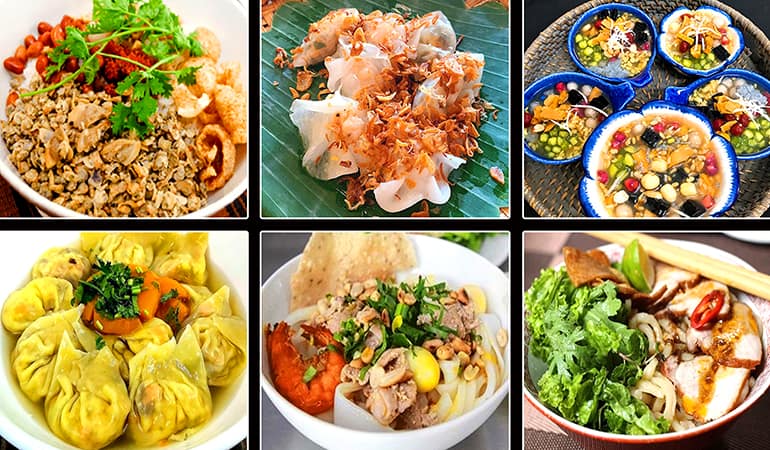
Hoi An food is one of the most direct ways to understand the town. A bowl of cao lầu, a plate of chicken rice, a small dumpling, black-sesame sweet soup or an early meal at the market can reveal more than a list of famous dishes. Each points to central Vietnamese ingredients, family recipes, market work, river-and-coast livelihoods and the changing rhythms of a living town.
Start with a few dishes rather than trying to complete a checklist. Hoi An’s food culture becomes clearer when you notice where and when people eat, how herbs and rice shape a meal, and why a dish may be familiar across Vietnam yet taste different here. For broader trip planning, see The Complete Hoi An Travel Guide.
Hoi An food at a glance
If you want… Start with… Best approach One dish closely associated with Hoi An Cao lầu Order it as a meal, then notice the firm noodles, pork, greens and crisp crackers. A balanced local lunch Cơm gà Hoi An Look for fragrant rice, shredded chicken, herbs, sour accompaniments and a little broth. Small dishes to share Bánh bao bánh vạc, hoành thánh or bánh xèo Eat slowly and order only what your group can finish. A sense of everyday food life A morning or midday market meal Go when vendors are serving regular customers, not only at peak visitor hours. A small sweet with local memory Xí mà Treat it as a modest snack and an opening to ask about ingredients or preparation when appropriate. Techniques rather than only tasting A carefully chosen cooking class Choose one that explains ingredients and methods, not just a fast recipe.
What makes Hoi An food distinctive
Hoi An’s cooking belongs first to central Vietnam and to the wider food culture of Quảng Nam Province. Rice, noodles, herbs, fish sauce, pork, chicken, seafood and fresh greens appear in many combinations, often with strong contrasts of texture: soft rice noodles against crisp crackers, rich meat against bitter herbs, or warm pancakes wrapped with cool leaves.
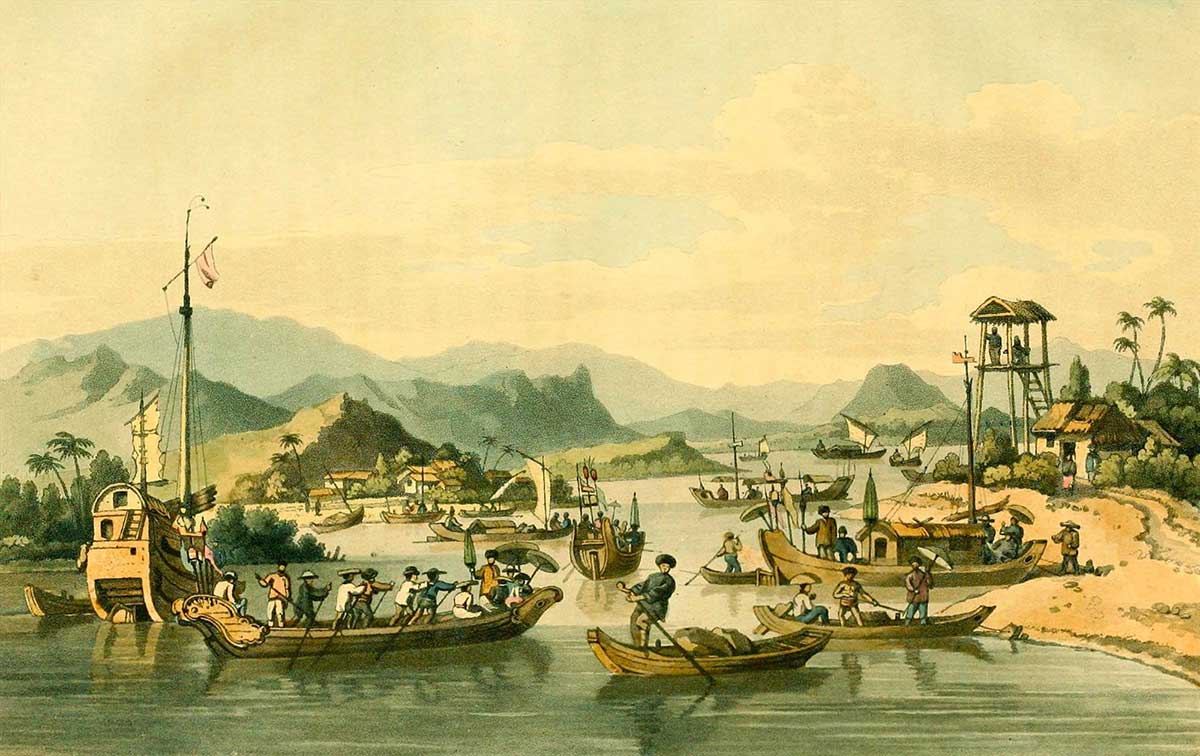
The town’s history matters, but it should not be used as a shortcut for every food-origin story. Hoi An was an active Southeast Asian trading port from the fifteenth to nineteenth centuries. UNESCO describes its buildings and street plan as evidence of indigenous traditions alongside Chinese, Japanese and later European influences.
Stories about cao lầu often mention water from the old Bá Lễ well and ash used in noodle-making. These are widely repeated local and tourism narratives, and they express the dish’s close association with Hoi An. The methods used by individual kitchens can vary, however, so they should not be treated as a guarantee that every bowl follows one unchanged formula.
Eat cao lầu as a full meal, not merely as something to photograph. Add chilli, lime or other condiments gradually; the balance is usually built into the bowl. For a closer look at its ingredients, competing origin stories and place in the town’s food culture, see Cao Lầu: The Noodle Dish That Could Only Be Born in Hoi An.
Cơm gà Hoi An: a complete rice meal
Cơm gà Hoi An is chicken rice with a distinctly local style. A typical plate brings together turmeric-coloured rice cooked with chicken stock, shredded poached chicken, herbs, pickled or sour accompaniments and a small bowl of broth. It is filling without being heavy, and it makes particular sense at lunchtime.
Chicken-rice dishes exist across Southeast Asia, and claims about one direct origin should be approached carefully. In Hoi An, what matters to the eater is the local arrangement of rice, chicken, herbs, acidity and broth. It is a good example of how a familiar regional idea can become part of a town’s everyday repertoire. Local heritage material also records chicken rice among foods traditionally sold through Hoi An’s small-stall and pavement economy, alongside dishes such as bánh đập, bánh bèo and xí mà.
Order it when you have time to sit down. The plate is designed as a balance, so do not separate the chicken from the rice and accompaniments too quickly. Read more in Cơm Gà Hoi An and the Town’s Chinese-Vietnamese Kitchens.
Bánh bao bánh vạc: small dumplings with a local name
Bánh bao bánh vạc are delicate steamed dumplings, commonly known to international visitors as “white rose” dumplings because of their folded, flower-like appearance. They are generally made with a rice-flour wrapper and a savoury filling, then topped with crisp fried shallots and served with dipping sauce.
Use the Vietnamese name as well as the English nickname. The local name keeps the dish connected to the language and food culture from which it comes; “white rose” is a useful visual description, not a replacement for that context. Hoi An heritage documentation describes bánh bao and bánh vạc as celebrated local dishes whose preparation depends on carefully selected ingredients and technique.
Some accounts link the dish closely to a long-running specialist family operation. Treat that as a story requiring current local verification, not as a permanent exclusive-distribution fact. This is usually best shared as one part of a broader meal. Its texture is gentle, so pair it with a more substantial dish rather than expecting a large dinner.
Hoành thánh and the Chinese-Vietnamese food landscape
Hoành thánh, a Vietnamese term related to wonton-style dumplings, appears in several forms in Hoi An: soup, fried pieces or dishes topped with a savoury sauce. Hoi An has a documented history of Chinese merchant communities and five Chinese assembly halls in the Old Town.
Mì Quảng is now eaten widely across Vietnam, but its culinary home remains Quảng Nam and the wider central region. Eating it in Hoi An is a way to understand the town’s place within that regional food landscape, rather than a claim that the dish belongs only to the Old Town.
Try it for breakfast or lunch, and notice how little liquid there is compared with a typical noodle soup.
Bánh xèo, grilled pork and food you assemble yourself
Bánh xèo are crisp savoury rice-flour pancakes, often filled with shrimp, pork or bean sprouts and eaten by breaking off pieces, wrapping them with leaves and herbs, then dipping them in sauce. Grilled pork with rice paper and herbs follows a similar logic: heat, smoke, fresh leaves and sauce come together in the hand.
These dishes reward patience. Watch how regular diners prepare a wrap, then make your own without overfilling it. If a table provides several kinds of leaves, treat them as part of the dish rather than decoration. This is also where a small amount of food etiquette goes a long way: share the herbs, keep sauces clean and order in stages if you are unsure how much your group will eat.
Xí mà: a black-sesame sweet with a living local story
Xí mà is a thick, dark sweet made principally from black sesame. It is a modest food rather than a grand dessert: warm, nutty, slightly earthy and often eaten as a small pause in the day. The name and recipe have connections across southern Chinese and Vietnamese food worlds, but its importance in Hoi An lies in how it has become part of local urban food memory.
Hoi An’s heritage authority describes xí mà as a long-standing everyday sweet for residents and notes how it continues to adapt within modern life. Such snacks make more sense as a small finish while walking or after dinner than as another compulsory “must-try.”
The same principle applies to bánh mì. It is widely available and can be excellent, but it belongs to a national food tradition with local variations rather than being the sole key to Hoi An’s cuisine. Choose it when you want a practical meal; do not let its online fame crowd out the region’s noodle, rice and market foods.
How to eat Hoi An food across a day
A food-focused day works better when it follows the town’s rhythms. Exact hours, stalls and menus change, so use this as a framework rather than a fixed timetable.
| Time of day | A useful food focus | What to notice |
|---|---|---|
| Morning | Mì Quảng, another noodle dish, rice or a market breakfast | Breakfast is often fast and functional; arrive early enough to see daily routines rather than only visitor traffic. |
| Midday | Cao lầu or cơm gà | Choose one substantial local dish and give it time. Midday is a good moment for a seated meal. |
| Afternoon | Coffee, xí mà, a small sweet, snack or market walk | Keep room for dinner. Use this time to learn ingredients rather than to over-order. |
| Evening | Shared dishes, bánh xèo, dumplings or a simple family meal | Order gradually, especially in busy areas where a large menu may tempt you to try too much. |
Choose a meal for your needs
| If you are… | A practical approach |
|---|---|
| In Hoi An for one meal only | Choose cao lầu or cơm gà, then add one small dish to share if you have company. |
| Looking for Quảng Nam context | Try mì Quảng and pay attention to the herbs, rice crackers and concentrated broth. |
| Travelling alone | Order one complete noodle or rice dish first; add a snack only if you still have room. |
| Travelling with children | Choose rice, mild noodles or dumplings; ask for chilli separately. |
| Vegetarian or vegan | Ask specifically about broth, fish sauce, dried seafood, meat toppings and cooking fat. |
| Managing an allergy | Use a clear Vietnamese translation where possible and do not assume a small stall can safely alter its base recipe. |
| Eating on a limited budget | Choose a market or simple specialist stall, order one dish at a time and avoid wasting food. |
Start with the market, but treat it as a working place
Hoi An Central Market is useful not because it promises the single “best” meal, but because it shows food as everyday commerce. Produce, herbs, prepared foods and small meals sit within a space used by residents, cooks and vendors. Go with enough time to observe how the market works, but avoid blocking narrow aisles or treating sellers as part of a staged attraction.
A market meal is often direct and informal. Pointing can help, but learning a few simple words is better: cảm ơn means thank you, while không cay means not spicy. If you have allergies or follow a vegetarian diet, explain clearly and ask whether broth, fish sauce, dried seafood or meat toppings are included; “vegetable” does not always mean fully vegetarian in Vietnamese cooking.
For a deeper guide to timing, market meals and street-food choices, see Hoi An’s Market and Street Food, Meal by Meal.
Let one meal be slow
Not every meal needs to be eaten while walking. Sit down for cao lầu or cơm gà, order one or two shared plates if you are with others, and notice the way freshness offsets richer flavours. This is both more enjoyable and more considerate than ordering a large spread only to leave most of it behind.
The Old Town is also a residential and commercial district, not a restaurant set. When eating in heritage streets, be mindful of doorways, bicycles, delivery activity and neighbours. If a place is busy with local customers, follow its rhythm rather than expecting rapid customisation.
Markets, kitchens and the people behind the meal
It is easy to describe food through famous dishes and forget the work behind them. A bowl of noodles depends on rice processing, meat and seafood supply, herb growing, stock preparation, cleaning, serving and the small business decisions that keep a stall open. Hoi An’s food culture is made by people working in homes, markets, restaurants, gardens, riverside communities and coastal areas.
The market is part of that system, but so are the pre-dawn deliveries, kitchen prep, family labour and regular customers who give small businesses their daily rhythm. A meal may look simple at the table because much of its work happened earlier: washing greens, making broth, preparing noodles, grinding sesame or choosing ingredients at market.
That makes respect practical rather than abstract:
- Ask before photographing a cook, vendor or customer, especially in close working spaces.
- Keep aisles, entrances and pavements clear.
- Do not bargain aggressively over small food purchases.
- Order only what you can reasonably finish, and carry reusable water where possible.
- Be specific and patient about dietary needs; do not assume every stall can alter a dish.
Food does not need to be frozen in time to be meaningful. A young cook may use social media, a family may adapt a recipe for more visitors, and a market vendor may serve both neighbours and travellers. The question is not whether a meal matches an imagined past, but whether you are engaging with it honestly and attentively.
Is a cooking class worth it?
A cooking class can be a good way to understand Hoi An food, especially if you want to learn how herbs, rice paper, broths and sauces work together. It is most useful when it gives you more than a polished half-day activity: a clear explanation of ingredients, space to cook rather than only watch, and realistic information about what the class includes.
Before booking, check:
- Which dishes you will actually make and whether they represent Hoi An or the wider region.
- Whether the market visit is a meaningful ingredient introduction or mainly a quick walk-through.
- Group size, transport, start and finish point, and what happens in heavy rain.
- Whether vegetarian, vegan, allergy-aware or child-friendly options are genuinely possible.
- Whether costs, add-ons and cancellation conditions are stated clearly.
A strong class should leave you able to recognise ingredients and techniques later, not simply reproduce one meal at home. See Learning to Cook Hoi An Food: Classes Worth Taking for a more detailed decision guide.
Eat with curiosity, not a checklist
The most satisfying way to eat in Hoi An is to choose a few meals with intention. Try cao lầu once, but also eat a Quảng Nam noodle dish. Have a market breakfast, then return to a small restaurant for a slower lunch. Share dumplings at dinner and leave enough room for xí mà or another small sweet later.
This approach makes food part of a wider understanding of Hoi An: a historic trading town, a central Vietnamese community, a place of family businesses and a contemporary destination adapting to many kinds of visitors. The goal is not to collect dishes. It is to notice how each meal connects ingredients, work, memory and place.
Frequently asked questions
What food is Hoi An best known for?
Cao lầu is Hoi An’s best-known dish, but cơm gà Hoi An, bánh bao bánh vạc, mì Quảng, bánh xèo and local sweets such as xí mà are also important parts of the town’s food culture.
Where should I eat in Hoi An?
Choose according to the meal and setting you want: a market meal for everyday bustle, a small specialist shop for one signature dish, or a family-run restaurant for a slower shared meal. Check current opening times and recent local information on the day.
Is Hoi An food suitable for vegetarians?
Many places can prepare vegetarian dishes, especially rice, noodle and vegetable dishes. Confirm whether broth, fish sauce, dried seafood or meat-based toppings are used.
Should I take a cooking class in Hoi An?
A cooking class can be worthwhile if you want to understand ingredients and techniques. Choose one with clear information about the market visit, group size, dietary needs, transport and the dishes you will make.
Continue exploring
- Cao Lầu: The Noodle Dish That Could Only Be Born in Hoi An
- Cơm Gà Hoi An and the Town’s Chinese-Vietnamese Kitchens
- Learning to Cook Hoi An Food: Classes Worth Taking
- Hoi An’s Market and Street Food, Meal by Meal
- Hoi An as an International Trading Port, 15th–19th Century
- Walking Hoi An’s Old Town: A Route Through Merchant History
Fact-check log
| Item | Status | Source type | Last verified |
|---|
| Item | Status | Source type | Last verified |
|---|---|---|---|
| Hoi An as a fifteenth-to-nineteenth-century Southeast Asian trading port; indigenous and foreign cultural influences | Confirmed | UNESCO World Heritage Centre | 14 August 2026 |
| Core descriptions of cao lầu and its urban Hoi An identity relative to mì Quảng | Confirmed as local heritage interpretation | Hoi An Heritage Authority research article | 14 August 2026 |
| Bánh bao bánh vạc as a named Hoi An dish and the emphasis on ingredient selection/technique | Confirmed | Hoi An Heritage Authority folk-knowledge article | 14 August 2026 |
| Xí mà as a long-standing local sweet that continues to adapt in contemporary life | Confirmed | Hoi An Heritage Authority research article | 14 August 2026 |
| Chinese merchant-community and assembly-hall context | Confirmed for historical community context; do not convert it into unsupported single-origin claims for individual dishes | UNESCO and Hoi An Heritage Authority | 14 August 2026 |
| Mì Quảng as a wider Quảng Nam/central Vietnamese dish now eaten nationally | Confirmed | Local government editorial source; Vietnam National Authority of Tourism guide | 14 August 2026 |
| Bá Lễ well, wood ash and cao lầu production claims | Widely repeated in tourism and local narrative; retained with qualified wording and not treated as a universal, independently verified production rule | Vietnam National Authority of Tourism; local heritage narrative | 14 August 2026 |
| Cơm gà direct Hainanese-origin claim | Not stated as confirmed; retain broader Southeast Asian context only | Further historical research needed | 14 August 2026 |
| Bánh bao bánh vạc specialist-family production claim | Deliberately qualified; current business/distribution conditions need local verification before any venue recommendation | Local verification required | 14 August 2026 |
| Specific restaurants, market vendors, hours, prices, dietary provision and cooking-class operations | Deliberately excluded from evergreen body; verify immediately before any future local recommendation or publishing update | Operational local research required | 14 August 2026 |
[^1]: UNESCO World Heritage Centre, “Hoi An Ancient Town,” https://whc.unesco.org/en/list/948/
[^2]: Hoi An World Cultural Heritage Conservation Center, “Cao lầu phố Hội,” 18 June 2023, https://hoianheritage.danang.gov.vn/vi/trao-doi-chuyen-nganh/chuyen-de-nghien-cuu-trao-doi/cao-lau-pho-hoi-1137.html
[^3]: Vietnam National Authority of Tourism, “Explore the food of Hoi An,” https://vietnam.travel/things-to-do/explore-food-hoi-an
: Hoi An World Cultural Heritage Conservation Center, “Đề án bố trí buôn bán hàng rong, vỉa hè trong khu phố cổ Hội An,” 12 December 2016, https://hoianheritage.danang.gov.vn/vi/laws/detail/De-an-Bo-tri-buon-ban-hang-rong-via-he-trong-khu-pho-co-Hoi-An-9.html?download=1&id=0
: Hoi An World Cultural Heritage Conservation Center, “Bánh bao, bánh vạc,” 12 September 2013, https://hoianheritage.danang.gov.vn/vi/di-san-van-hoa/Tri-thuc-dan-gian/Banh-bao-banh-vac-214.html
[^6]: Hoi An World Cultural Heritage Conservation Center, “Hội An – Lắng hồn phố cổ,” 12 August 2014, https://hoianheritage.danang.gov.vn/vi/trao-doi-chuyen-nganh/chuyen-de-nghien-cuu-trao-doi/Hoi-An-Lang-hon-pho-co-319.html
: Điện Bàn District People’s Committee Portal, article on mì Quảng, https://dienban.quangnam.gov.vn/Default.aspx?tabid=107&NewsViews=13693&language=en-US
[^8]: Hoi An World Cultural Heritage Conservation Center, “Xí mà – Thức quà quê trong đời sống hiện đại,” 29 June 2026, https://hoianheritage.danang.gov.vn/vi/trao-doi-chuyen-nganh/chuyen-de-nghien-cuu-trao-doi/xi-ma-thuc-qua-que-trong-doi-song-hien-dai-1366.html